Education Hub
Insights & Research
Stay informed with the latest in precision medicine, regenerative therapies, and longevity science from our team.
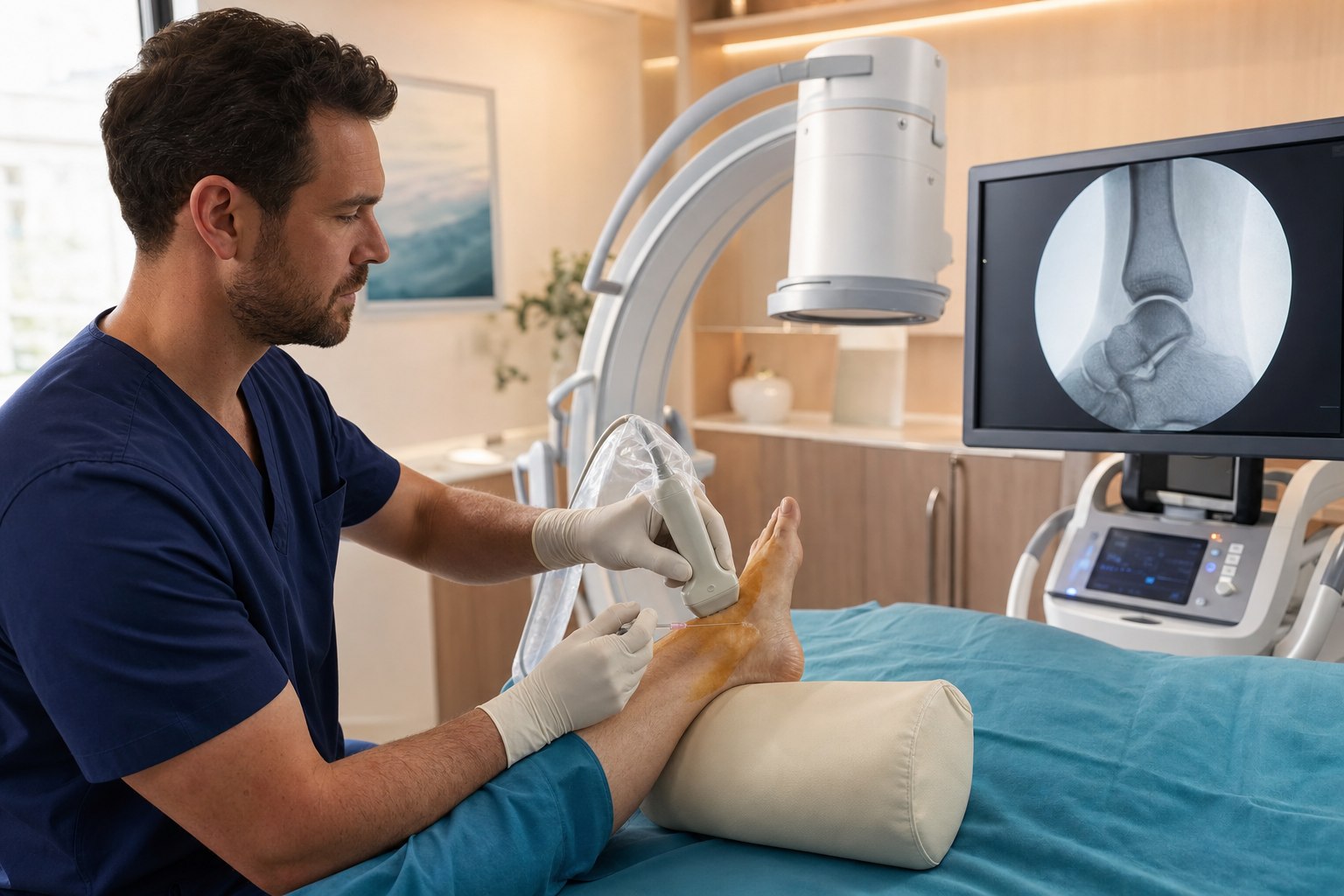
How a Regenerative Foot & Ankle Procedure Really Works: Eleven Sections, Two Imaging Tools, One Symphony
A physician’s inside look at how a master regenerative procedure treats the foot and ankle — eleven sections, ultrasound for tendons ligaments plantar fascia and nerves and fluoroscopy for the tibiotalar and subtalar joints and intraosseous BMAC for talar OCD and calcaneal bone marrow lesions. Honest about where the evidence is strong and where it is not.
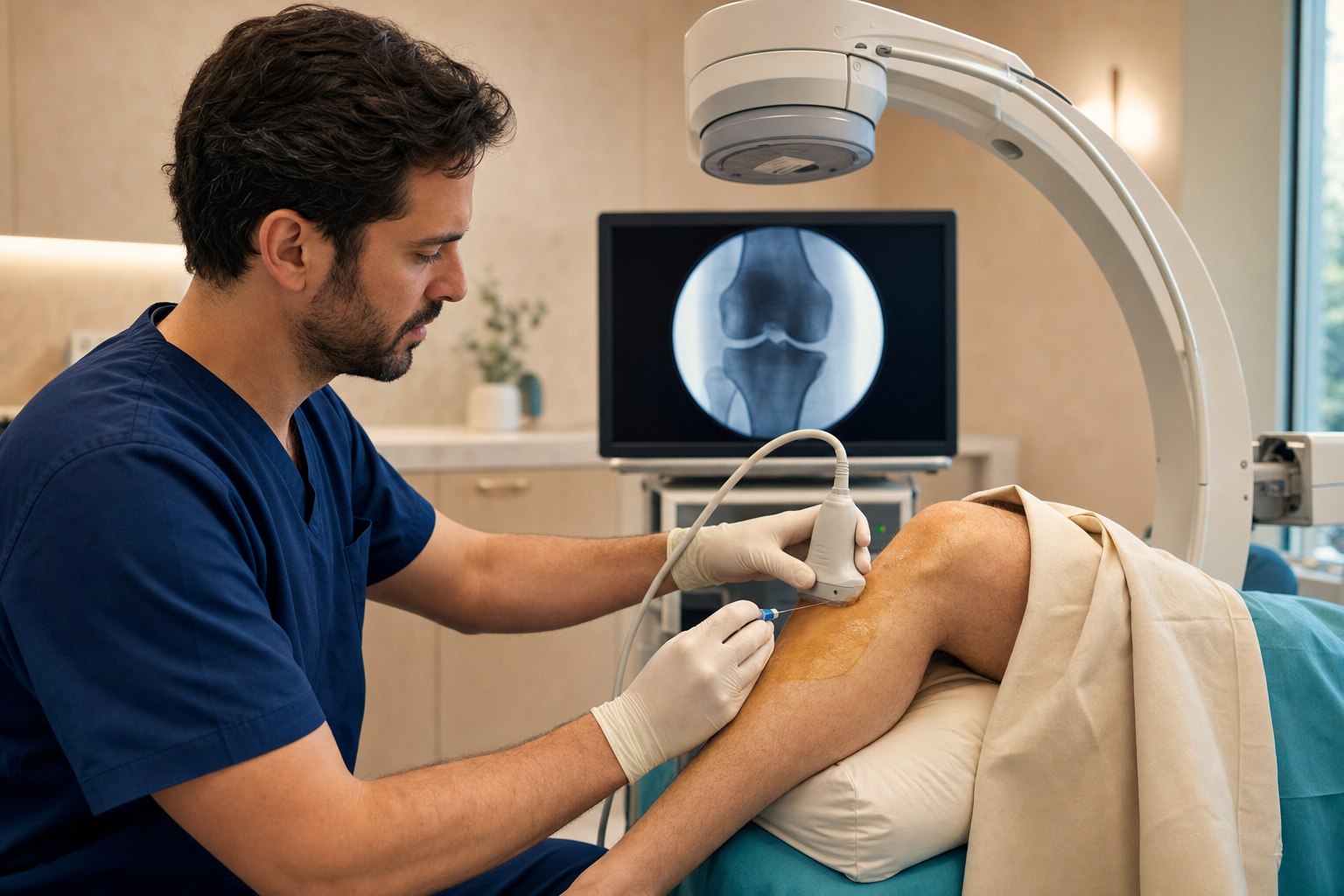
How a Regenerative Knee Procedure Really Works: Nine Structures, Two Imaging Tools, One Symphony
A physician’s inside look at how a master regenerative procedure treats the knee — nine structures, ultrasound for the joint tendons ligaments and menisci and fluoroscopy for advanced ACL bundle work and intraosseous Hernigou technique at the femoral condyles and tibial plateau.
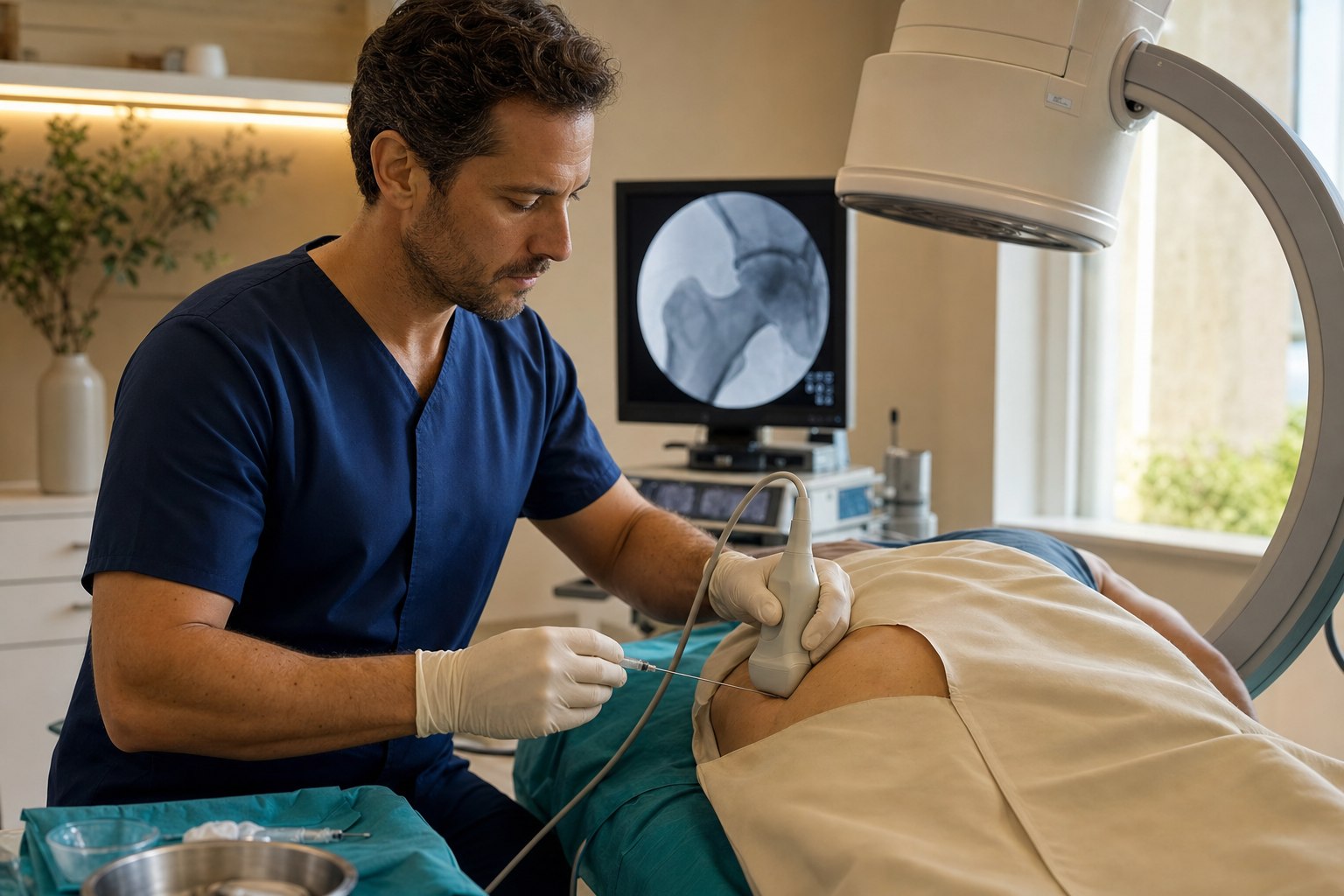
How a Regenerative Hip Procedure Really Works: Six Structures, Two Imaging Tools, One Symphony
A physician’s inside look at how a master regenerative procedure treats the hip and pelvis — six structures, ultrasound for the joint labrum tendons and nerves and fluoroscopy for intraosseous work at the femoral head (Hernigou technique), and why most “hip pain” needs both imaging tools.
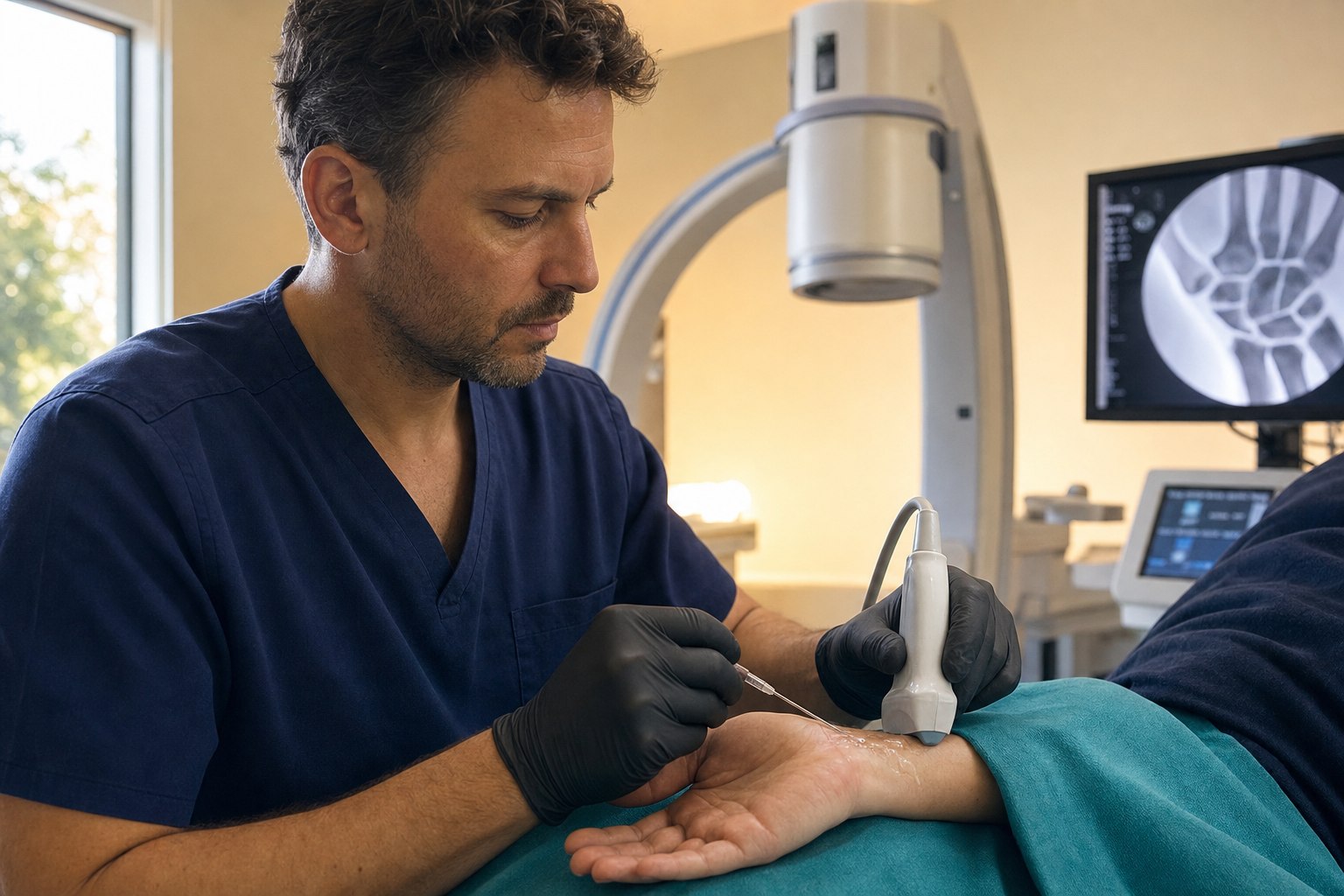
How a Regenerative Hand & Wrist Procedure Really Works: Ten Structures, Two Imaging Tools, One Symphony
A physician’s inside look at how a master regenerative procedure treats the hand and wrist — ten structures, ultrasound for tendons ligaments and nerves and fluoroscopy for the small deep joints, and why most “wrist pain” is really a small orchestra.
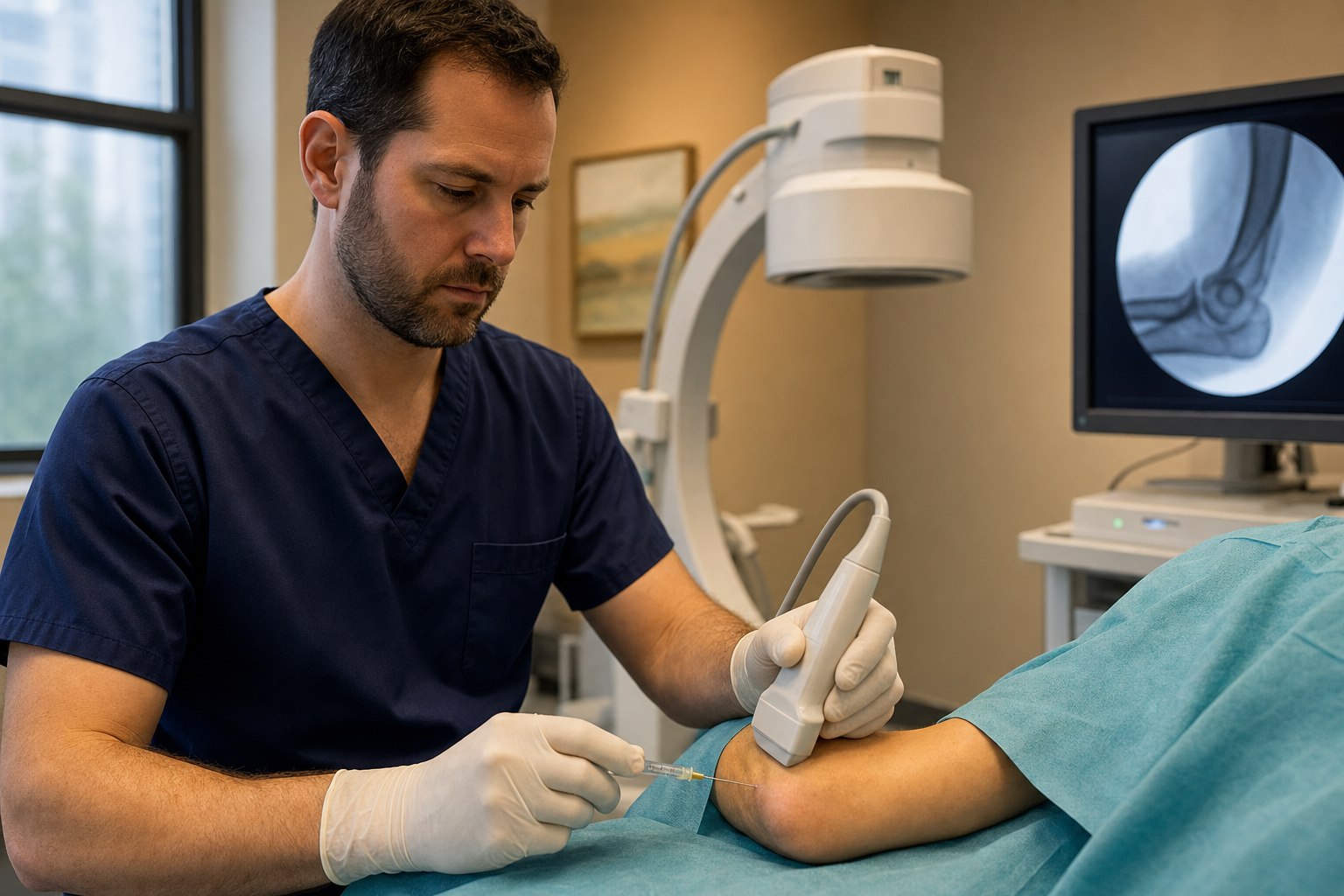
How a Regenerative Elbow Procedure Really Works: Seven Structures, Two Imaging Tools, One Symphony
A physician’s inside look at the elbow as a seven-structure ensemble — distal biceps, LCL, UCL, ulnar nerve, medial and lateral epicondyle tendons, triceps, and the elbow joint — and why on the medial side ultrasound is not optional. Includes updated evidence on PRP for tennis elbow and UCL injury in throwers.

How a Regenerative Shoulder Procedure Really Works: Fourteen Structures, Two Imaging Tools, One Symphony
A physician’s inside look at the shoulder as an orchestra of fourteen structures — rotator cuff, biceps, capsule, labrum, ligaments, bursa, joint, bone, and the peripheral nerves that supply them — and how a master regenerative procedure uses ultrasound for soft tissue and fluoroscopy for the deep joint, subchondral bone, and confirmatory arthrography.
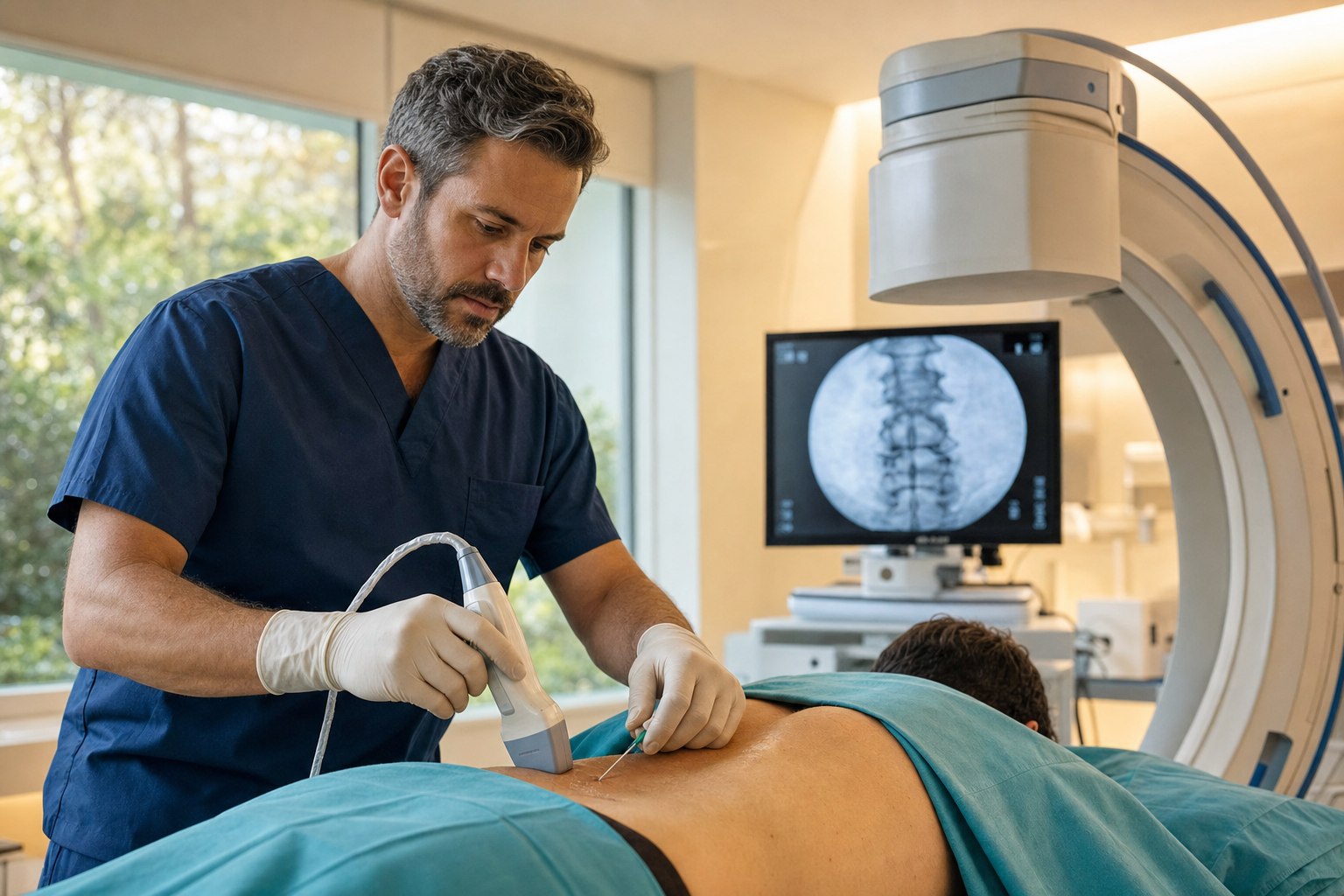
How a Regenerative Spine Procedure Really Works: Five Structures, Two Imaging Tools, One Symphony
A physician’s inside look at the lumbar spine as an orchestra of five structures — nerve root, disc, ligaments, multifidus, thoracolumbar fascia — and how a master regenerative procedure uses fluoroscopy for the deep targets and ultrasound for the soft-tissue ones so every part of the spine is heard.

The Stuart McGill Back Mechanic Home Plan: A Physician’s Guide to Self-Assessing and Calming a Back Flare-Up
A physician’s evidence-graded walk-through of the Stuart McGill Back Mechanic framework — how to find your specific pain triggers, remove the movements and postures that provoke them, and use the McGill Big 3 (curl-up, side bridge, bird dog) as a safe daily home program while you wait to be seen. Written for patients in a back flare who need a smart bridge between the setback and their next visit.
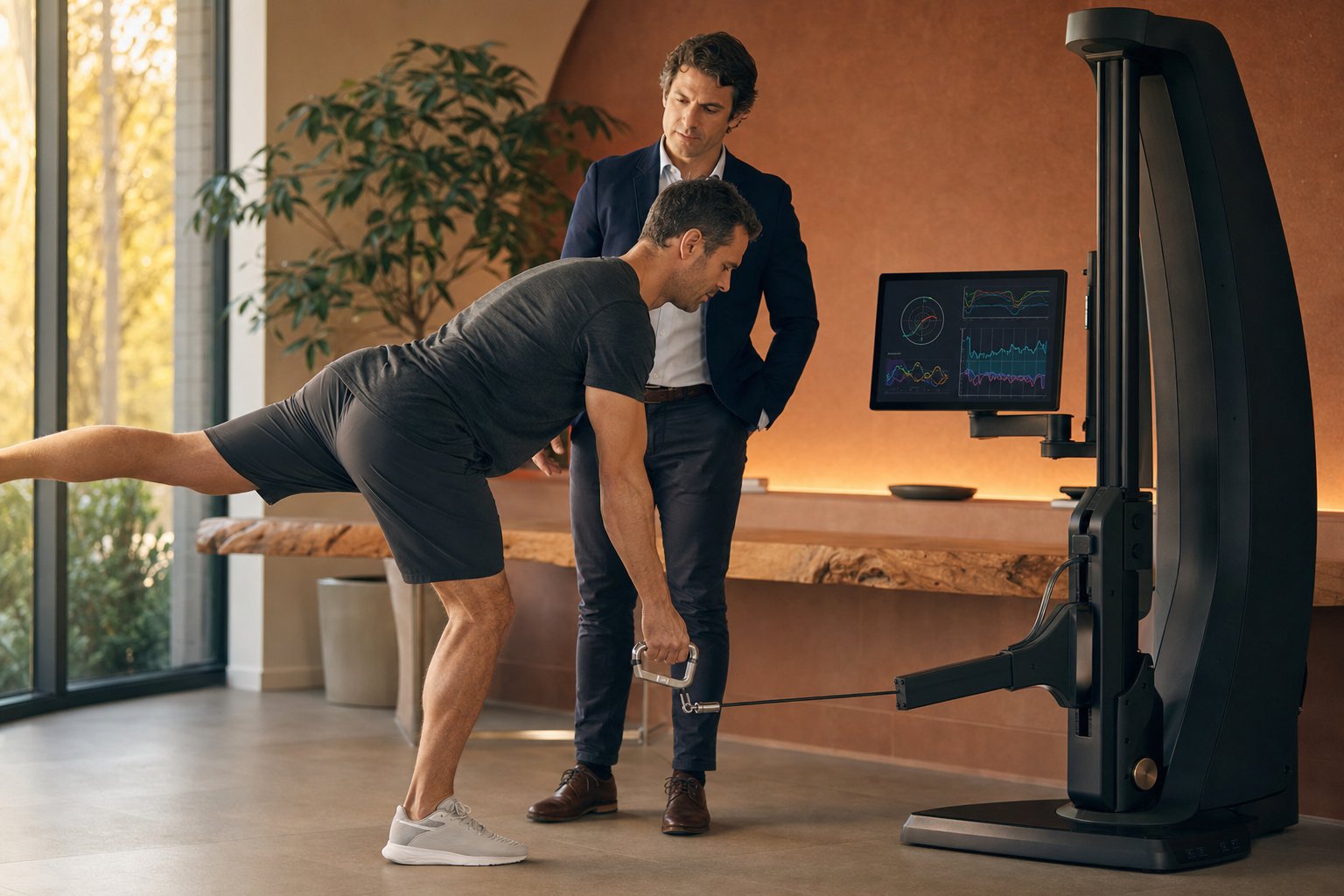
How We Use OxeFit to Build a Functional Spine Baseline Before & After CartiNova
A physician’s walk-through of the five-movement OxeFit spine biomechanics battery we run at Pravida — single-leg RDL, half-kneeling torso rotation, high-to-low woodchop, suitcase squat, and bench bird dog row — how the adaptive mode scores mobility, stability, symmetry, and power under sagittal, transverse, diagonal, axial, and motor-control loading, and how we turn those objective numbers into a real prehab and rehab plan around a CartiNova spine or SI-joint procedure.

How We Use OxeFit to Build a Functional Knee Baseline Before & After CartiNova
A physician’s walk-through of the six-movement OxeFit knee biomechanics battery we run at Pravida — bilateral squat, Bulgarian split squat, step-up, lateral lunge, single-leg RDL, and an optional backward-shuffle add-on — how the adaptive mode scores mobility, stability, symmetry, and power under progressive cable loading, how we use the Limb Symmetry Index to guide return-to-activity decisions, and how the same battery becomes the objective progress graph after a CartiNova knee procedure.

Personalized Heart Attack Prevention with AI-Analyzed Coronary CT: What Cleerly Actually Delivers
A physician-innovator’s evidence-graded read on Cleerly, the FDA-cleared AI platform that quantifies coronary plaque burden and composition on top of a standard coronary CT angiogram. Covers what Cleerly actually adds beyond calcium scoring, the CLARIFY multicenter validation, the CREDENCE and CLARIFY-2 substudy showing per-patient AUC 0.88-0.92 vs invasive angiography, the 3,551-patient CONFIRM2 prognostic trial presented at TCT 2024, the 10-year plaque-staging follow-up, honest limits (no randomized outcomes trial yet, selection bias, radiation dose, evolving reimbursement), and where AI-analyzed CCTA fits inside a longevity and regenerative medicine care plan.

The Power of Immersive Therapeutics: What the First FDA-Authorized At-Home VR Treatment for Chronic Low Back Pain Actually Delivers
A physician’s evidence-graded read on RelieVRx, the first FDA De Novo-authorized in-home virtual reality treatment for chronic lower back pain. Covers the 56-session, six-minute-per-day, eight-week behavioral skills protocol, the pivotal 188-participant Garcia 2021 JMIR randomized sham-controlled trial, the 1,067-participant Maddox 2023 Mayo Clinic Proceedings real-world effectiveness trial, the 24-month durability follow-up in Pain Medicine, the pain-neuroscience mechanism with MRI-verified brain network changes, honest limitations of the broader immersive-VR literature, and where immersive therapeutics fit alongside orthobiologic and interventional care for chronic low back pain.

The Fasting Mimicking Diet: What 25 Years of Longo-Lab Research Actually Shows
A physician’s evidence-graded read on the ProLon 5-day fasting mimicking diet developed by Valter Longo and the USC Longevity Institute. Covers the mechanism (autophagy, mTOR/PKA/IGF-1 suppression, stem-cell-mediated regeneration on refeeding), the pivotal Wei-Brandhorst 2017 Science Translational Medicine 100-participant trial, the 2.5-year biological age reduction in Brandhorst’s 2024 Nature Communications paper, the 2025 Geroscience pilot RCT directly measuring autophagic flux in humans, safety and contraindications, and how three to six cycles per year fit into a real longevity care plan.

Humanoid Robots in the Operating Room: What a New Framework from Kernbach, Brat, Topol, and Rajpurkar Actually Says
A perspective paper published this month in npj Digital Medicine proposes a staged pathway for putting general-purpose humanoid robots to work at the periphery of the surgical field — not as autonomous surgeons, but as scrub-nurse and circulating-nurse extenders. A physician’s read on the two-tier deployment framework, the existing evidence base behind it (from teleoperated Unitree G1 laparoscopy demonstrations to the 93.3% bag-valve-mask ventilation study), why humanoids may add value over specialist wheeled robots, the honest safety and regulatory limits, and what it means even for a small regenerative medicine practice a thousand miles from an academic OR.
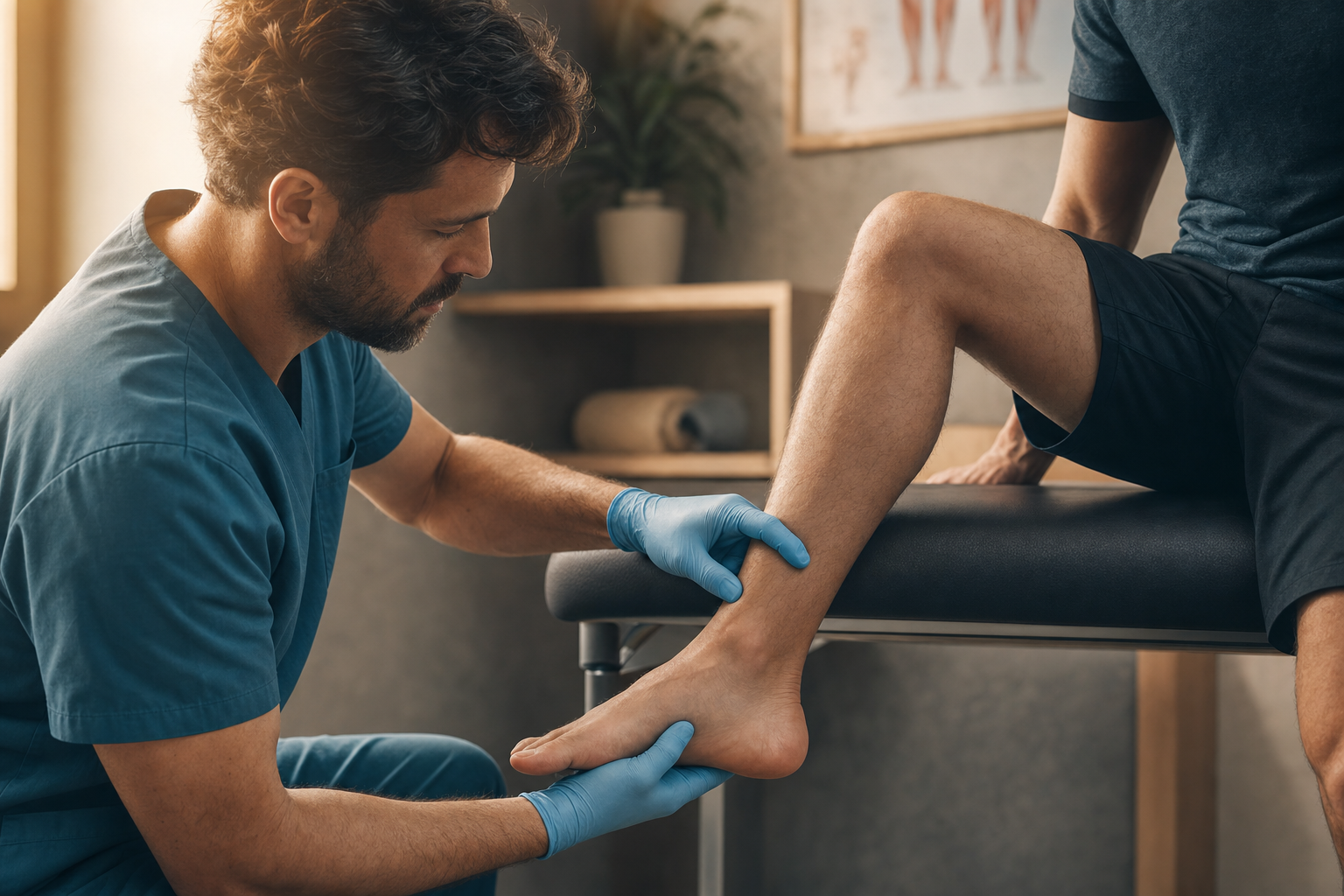
BPC-157 and TB-500 for Orthopedic Recovery: Separating Signal from Marketing
Two peptides at the center of the orthopedic recovery conversation. Both have plausible molecular mechanisms and a substantial rodent literature. Neither has a completed peer-reviewed human RCT for tendon or ligament use. A physician’s evidence-graded read on what the mouse data actually shows, why TB-500 tendon healing is largely mechanistic extrapolation from full-length thymosin β-4 work, the FDA briefing documents that recommended against both, WADA prohibited-substance status, and how a longevity clinic thinks about the risk-benefit conversation with a real patient in front of you.

The FDA Advisory Committee Just Voted on Six Compounded Peptides. Here Is What Actually Changed.
Breaking. On July 23-24, 2026, the FDA’s Pharmacy Compounding Advisory Committee (PCAC) voted to recommend BPC-157, KPV, TB-500, MOTS-c, Epitalon, and Semax for potential inclusion on the Section 503A Bulks List, and voted against DSIP (emideltide). All six affirmative votes went against FDA career-staff briefing documents that had recommended against every substance under review. But a PCAC vote is advisory — not FDA approval, not a rule change, and not immediate availability. A physician’s evidence-graded read on the exact vote margins, what the 503A pathway actually is, the 12-18 month rulemaking horizon, and what this means for patients on individually prescribed peptide therapy today.

Metformin vs Rapamycin for Life Extension: What Works?
The honest answer to a loaded question. Rapamycin has the strongest and most reproducible mammalian lifespan data in longevity research — +23-26% median lifespan in the ITP mouse studies. Metformin has the deeper human safety record and a plausible AMPK-linked mechanism, but the MILES aging study enrolled only 16 participants and TAME still hasn’t launched. Neither drug has definitive human life-extension evidence. A physician’s evidence-graded head-to-head on when each drug enters the conversation, the 2025 phase 1 rapamycin MCI pilot, the HET3 combination data, the risks that don’t make it into the podcast summaries, and how we think about it at Pravida.

Brain Volumetrics: Turning MRI Into a Serial Biomarker of Brain Aging
Standard clinical MRI is qualitative — a radiologist eyeballs atrophy on a 5-point scale. Volumetrics is the quantitative layer: cloud software segments a 3D T1 sequence into ~130 anatomical structures, returns each in mm³, and compares to age- and sex-adjusted normative percentiles. A physician’s evidence-graded read on what a brain age gap actually predicts (12% higher mortality per year in UK Biobank), which levers measurably move it (exercise, MIND diet, BP control, and the 2025 GLP-1 divergence between ELAD and EVOKE), and how to use it as a serial biomarker rather than a one-shot number.

NAD+ Optimization: IV NAD+ vs Oral NMN and NR — What Actually Raises Your NAD+, and What the Evidence Says About Outcomes
Wellness clinics are selling $500–$1,500 NAD+ infusions for fatigue, brain fog, and anti-aging. Oral NMN and NR sit on every longevity supplement shelf. So what does the human data actually say? Oral NR reliably raises blood NAD+ by 2- to 5-fold across a dozen randomized trials. Oral NMN does the same — and as of September 2025 is once again lawfully marketable as a US dietary supplement after the FDA reversed its 2022 exclusion. IV NAD+ has exactly one published human pharmacokinetic study and zero randomized controlled trials showing it improves any clinical outcome. A physician’s honest breakdown of what raises the surrogate versus what changes the patient.

Intermittent Hypoxia Therapy for Longevity and Performance: What the Evidence Actually Says
A protocol borrowed from altitude physiology is now being marketed as a longevity intervention. The published data supports a narrower claim: brief, supervised, low-oxygen bouts improve VO₂max by about 3.2 mL/kg/min, raise cognitive scores in older adults with mild cognitive impairment, and improve insulin sensitivity in type 2 diabetes. The same molecule — hypoxia — also causes cardiovascular harm when it happens hundreds of times a night in untreated sleep apnea. Dose is the whole story. A physician’s guide to when this is worth doing, who should not be doing it, and what to screen for first.

A Pool of Golden Light: What Midjourney Medical Gets Right, and What It Doesn’t
Midjourney — the AI image lab — has announced a healthcare division built around a full-body ultrasound tomography scanner: half a million transducers, a sixty-second acquisition, a warm pool of golden light, and a first spa location in San Francisco in 2027. A physician’s reaction to what’s genuinely exciting about this technology, what the branding gets wrong, the questions I would want answered before referring a patient, and the regenerative medicine use case nobody is talking about. The technology is more interesting than the branding suggests, and the branding is more dangerous than the technology suggests.

Why You Don’t Need to Travel Overseas for Stem Cells: What the Culture-Expanded MSC Evidence Actually Shows — and What’s Legally Available in the US
Panama, Cayman, Colombia, Mexico — American patients are still being told the “real” stem cells are only available offshore. The published data says otherwise. Culture-expanded MSCs now have systematic-review-level evidence for knee osteoarthritis (12 of 15 RCTs improved function, 18 of 21 studies show cartilage protection), five-year sustained relief from a single high-dose autologous injection, and three legal US pathways to access them: FDA-authorized IRB trials, Right to Try, and Expanded Access. A physician’s honest breakdown of what’s worth staying home for.
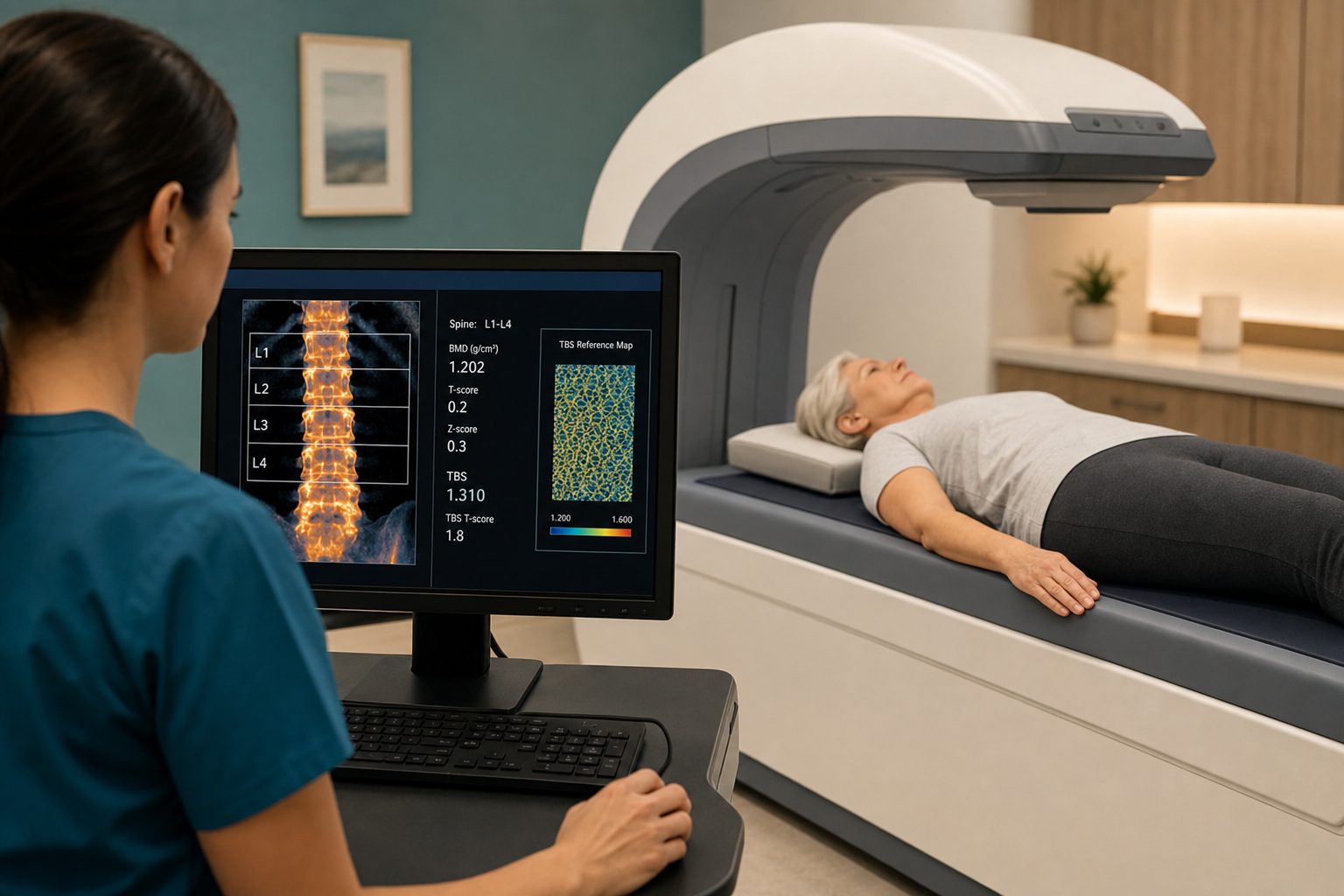
Beyond the T-Score: Why Trabecular Bone Score (TBS) Belongs in Every Osteoporosis Evaluation
A standard DEXA reports density — but density isn’t strength. Trabecular Bone Score reanalyzes the same scan to reveal bone microarchitecture, reclassifies fracture risk in up to 18% of patients near the treatment threshold, and adds zero radiation or scan time. ISCD has formally endorsed it since 2023 — and almost no one in Atlanta offers it. Here’s why that has to change.
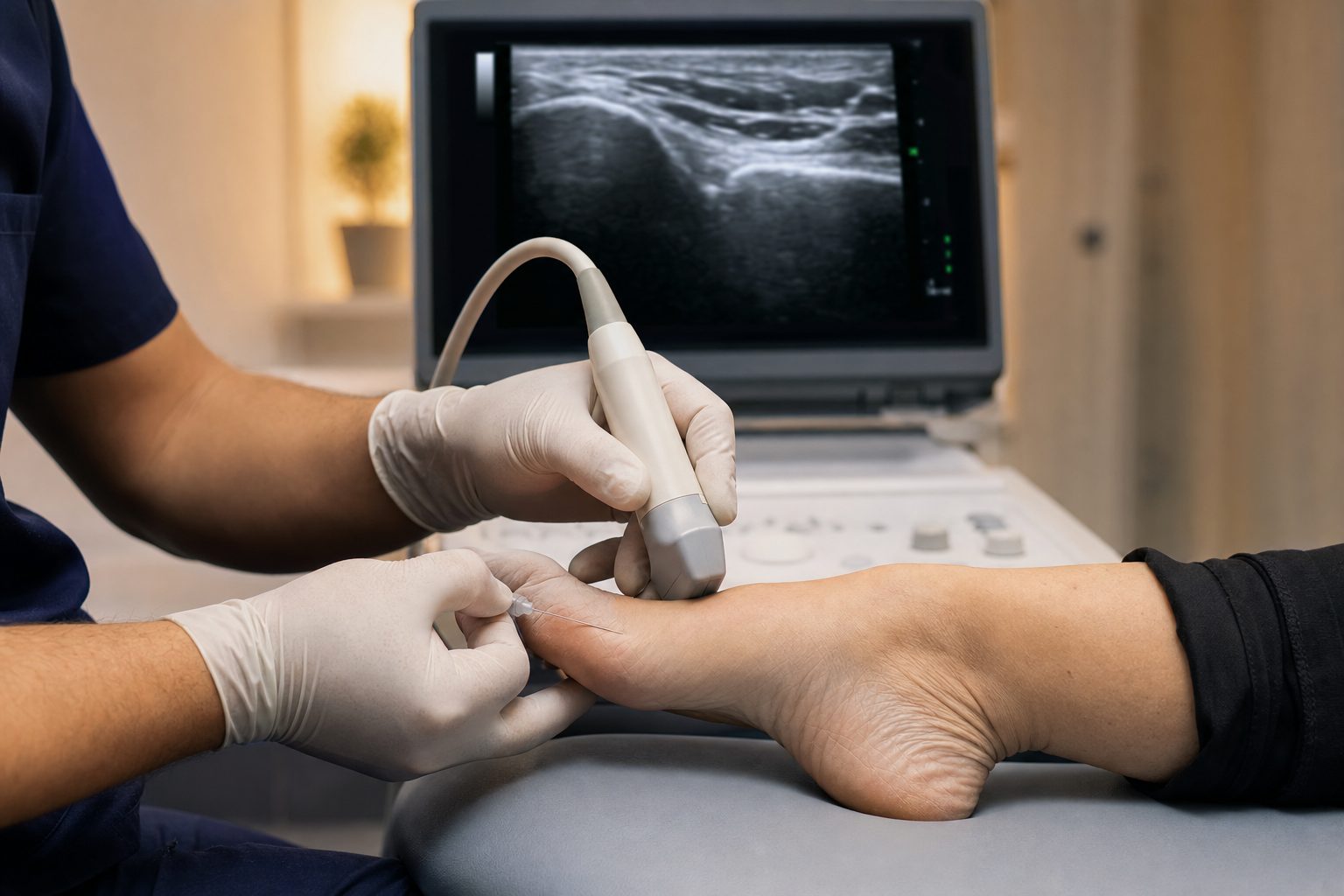
Regenerative Orthopedics for the Foot and Ankle: PRP, BMAC, and the Evidence Worth Knowing
Across multiple meta-analyses, PRP now earns a Grade-A recommendation for chronic plantar fasciitis — outperforming corticosteroid at 3, 6, and 12 months with a markedly safer profile. The honest counterpoint: for midportion Achilles tendinopathy, six pooled RCTs show PRP no better than placebo. A physician’s read on where biologics genuinely help at the foot and ankle, and where eccentric loading still wins.
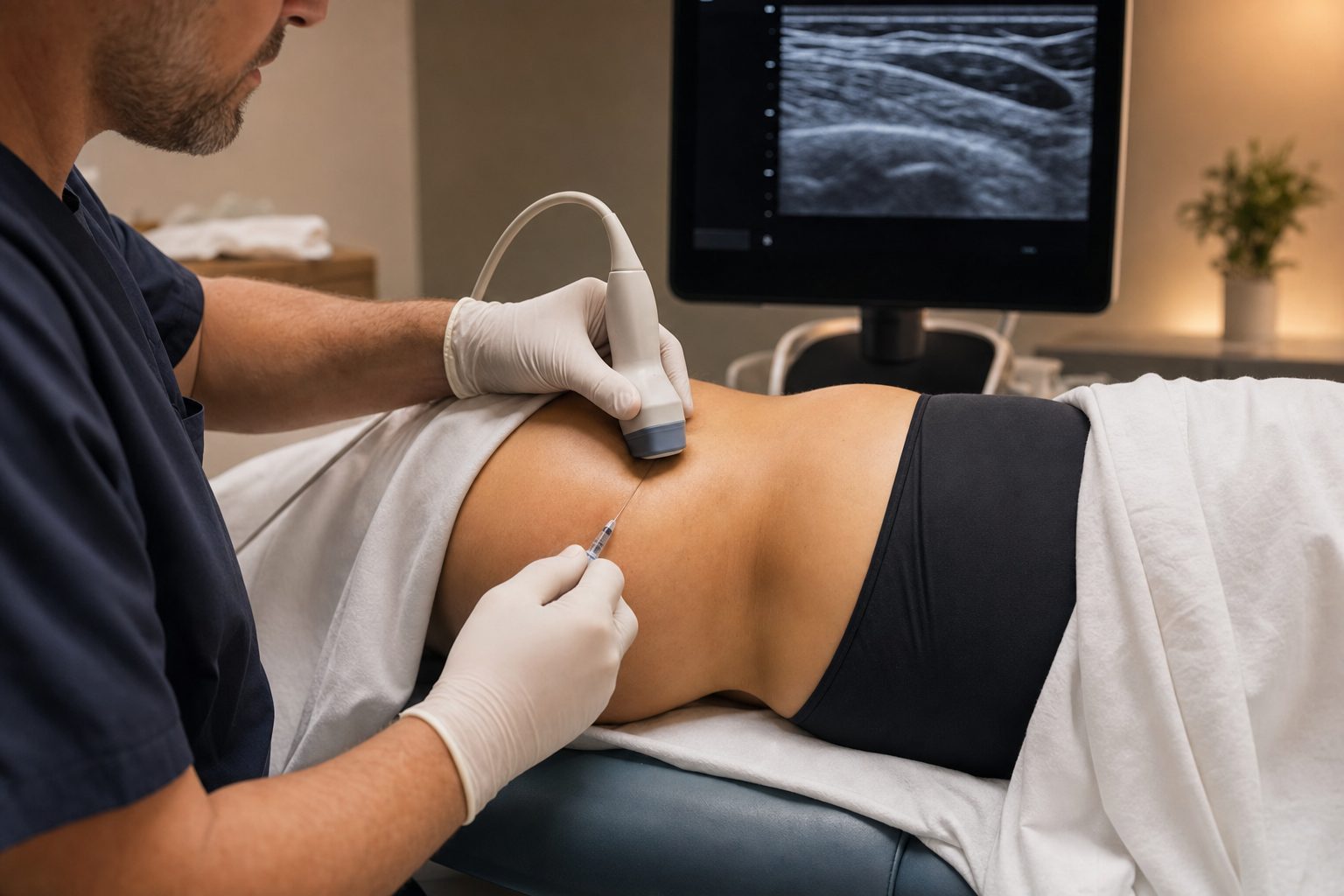
Regenerative Orthopedics for the Hip: PRP, BMAC, and the New 15-Year Data Worth Knowing
A landmark 2026 study followed 434 hips for fifteen years and found that intraosseous bone marrow concentrate cut progression to total hip replacement from 40.1% to 16.1% — with a clear cell-dose response and zero adverse events. An evidence-graded read on biologics at the hip: when PRP and BMAC genuinely move the needle for hip arthritis, gluteal tendinopathy, and hamstring origin pain — and where the data still says no.
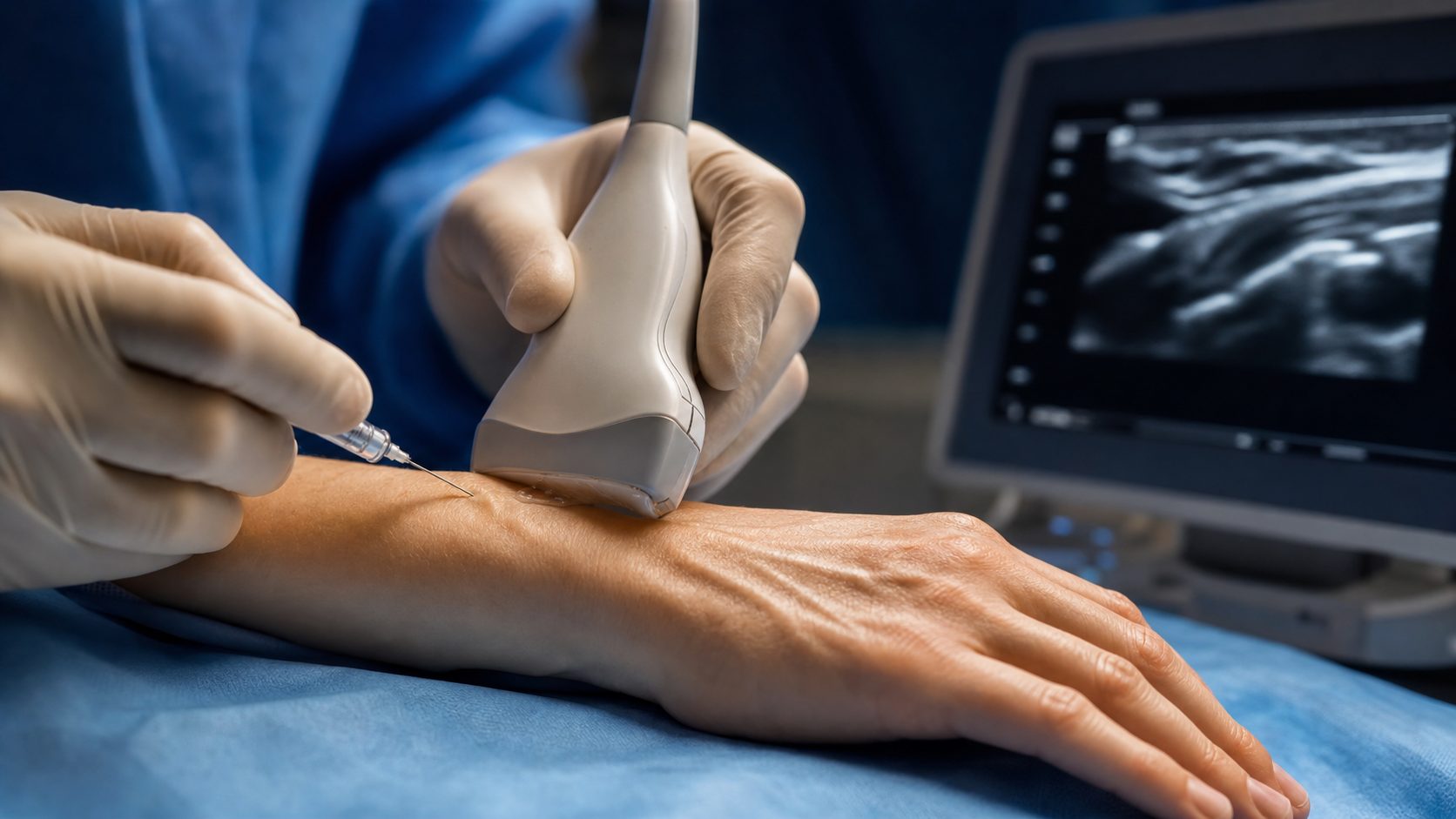
Regenerative Orthopedics for the Hand and Wrist: PRP Evidence Worth Knowing
For thumb CMC arthritis and refractory De Quervain’s, the data favors PRP over corticosteroid at 12 months — with a meaningfully better safety profile. But preparation quality matters: the latest placebo-RCT was negative, and the concentration used was a fraction of the positive trials. An honest, evidence-graded read on biologics at the hand and wrist.
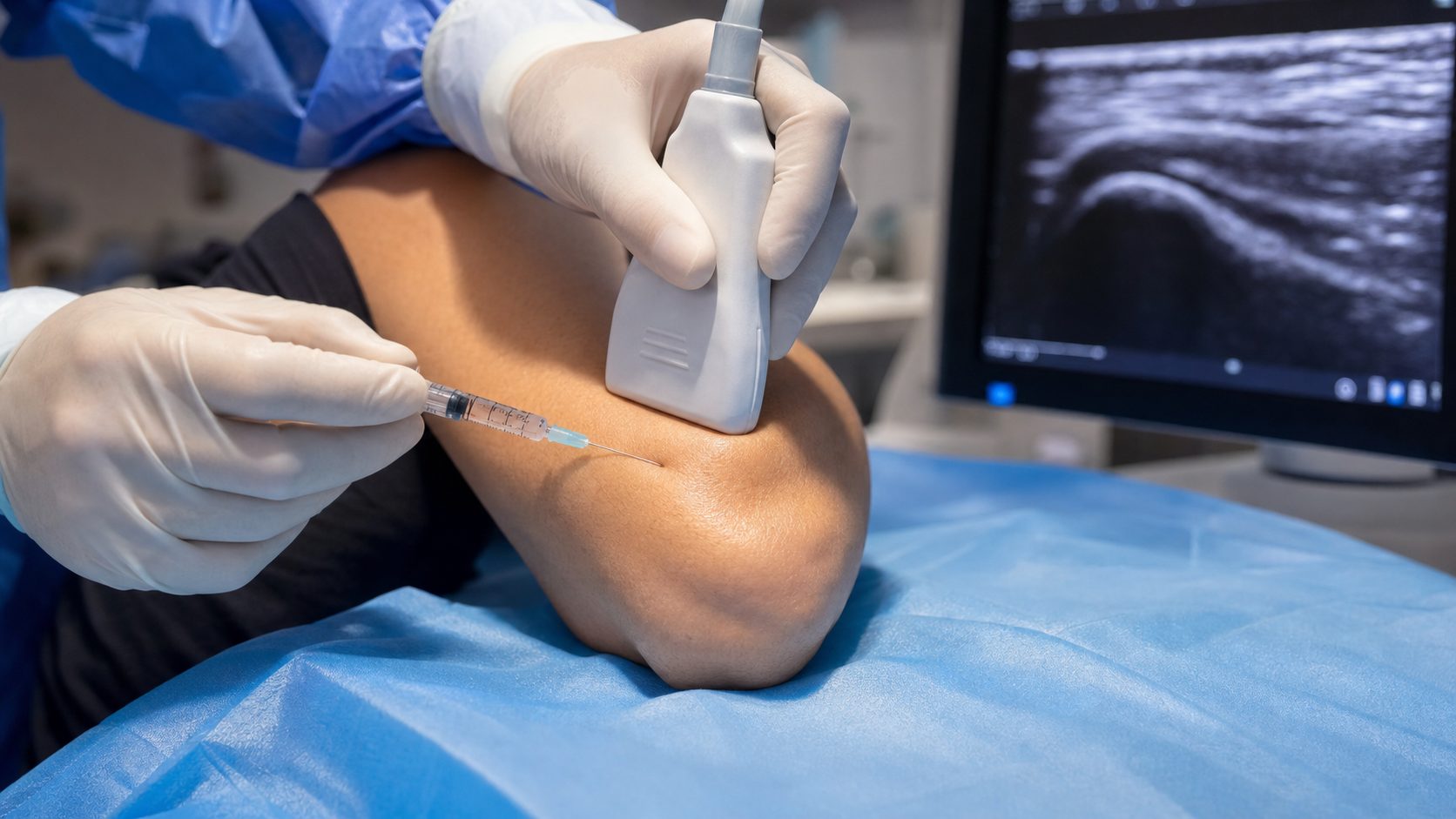
Regenerative Orthopedics for the Elbow: PRP, BMAC, and the Evidence Worth Knowing
For chronic tennis elbow, the long-term data favors PRP over corticosteroid. For partial UCL tears in throwing athletes, the picture is more nuanced — encouraging case series, sobering MLB cohort data. Here’s an honest, evidence-graded read on where biologics genuinely help at the elbow.
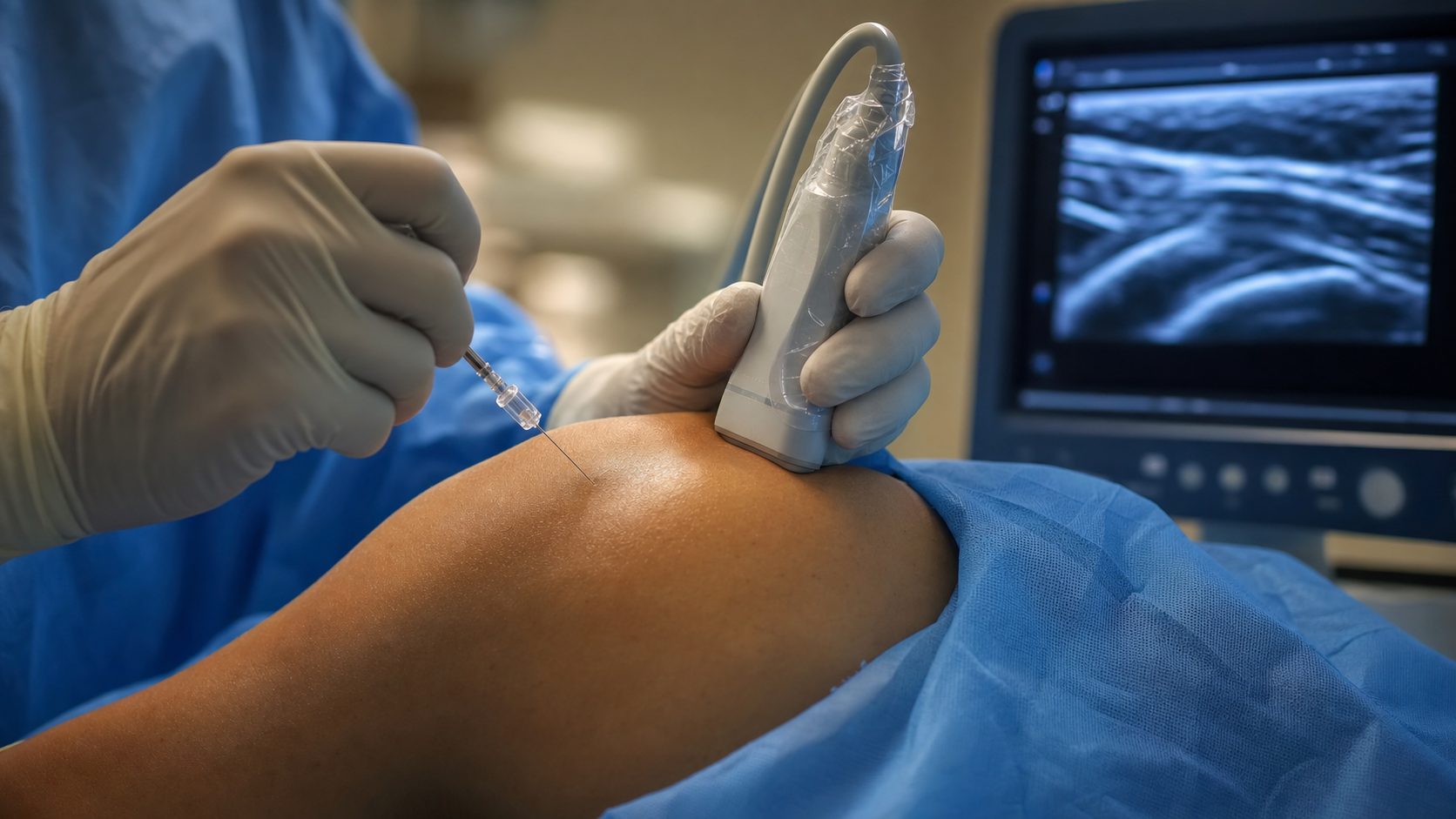
Regenerative Orthopedics for the Shoulder: PRP, BMAC, and the Evidence Worth Knowing
Two papers should be on every physician’s desk before recommending biologics for the shoulder: Hernigou’s 10-year BMAC case-control series and Centeno’s 2024 randomized trial. Here’s an honest, evidence-graded read on PRP, BMAC, and where they fit alongside — or before — rotator cuff surgery.
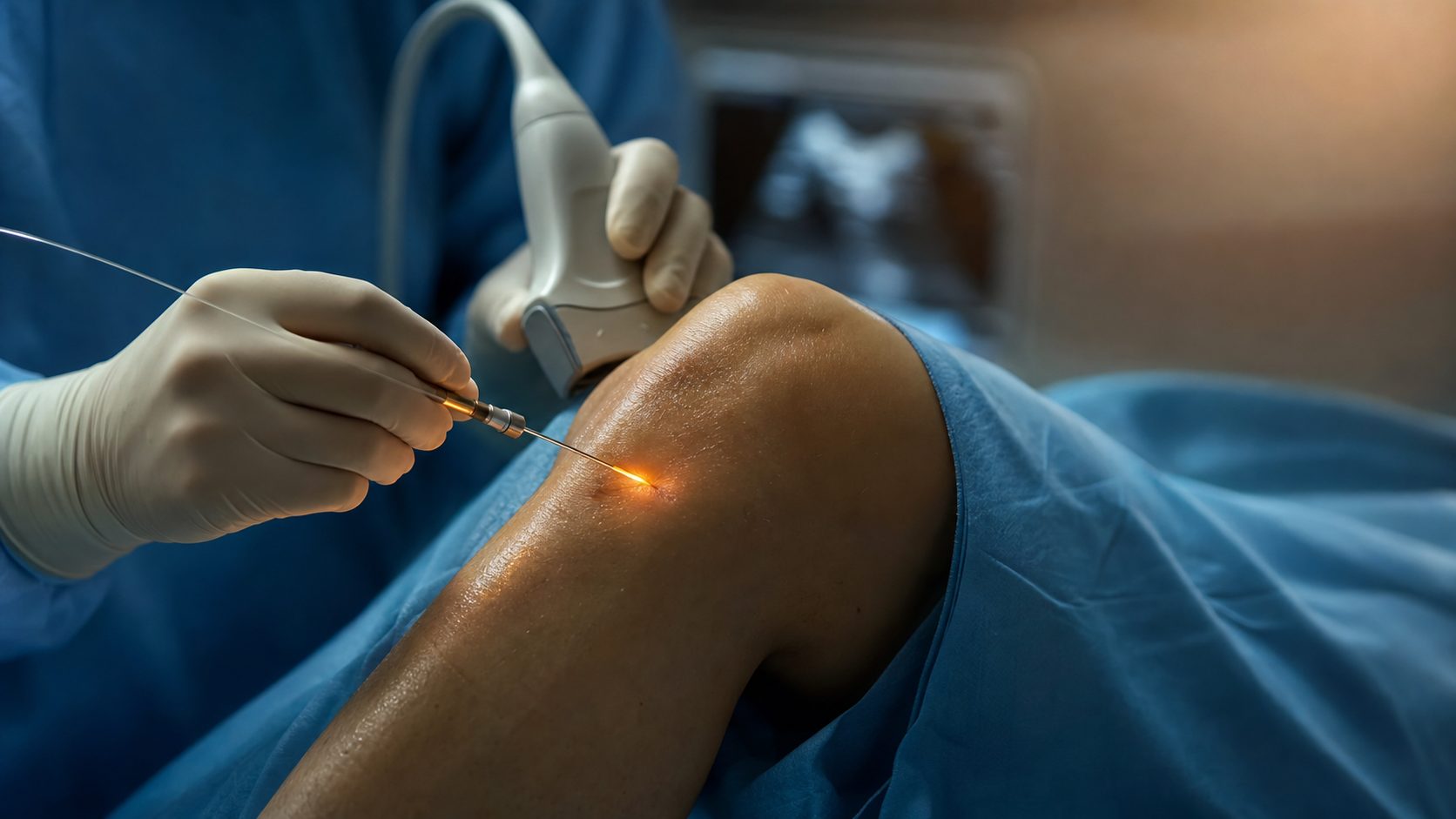
Fractional Laser for Knee Cartilage: What the Evidence Shows
The Regenalase 1550 nm fiber laser is FDA-cleared (K233344) for soft-tissue including meniscus cartilage. Here’s an honest read on the device specs, the Scarpone case series, mini-pig preclinical data, and where this fits a physician’s evidence-graded treatment plan.
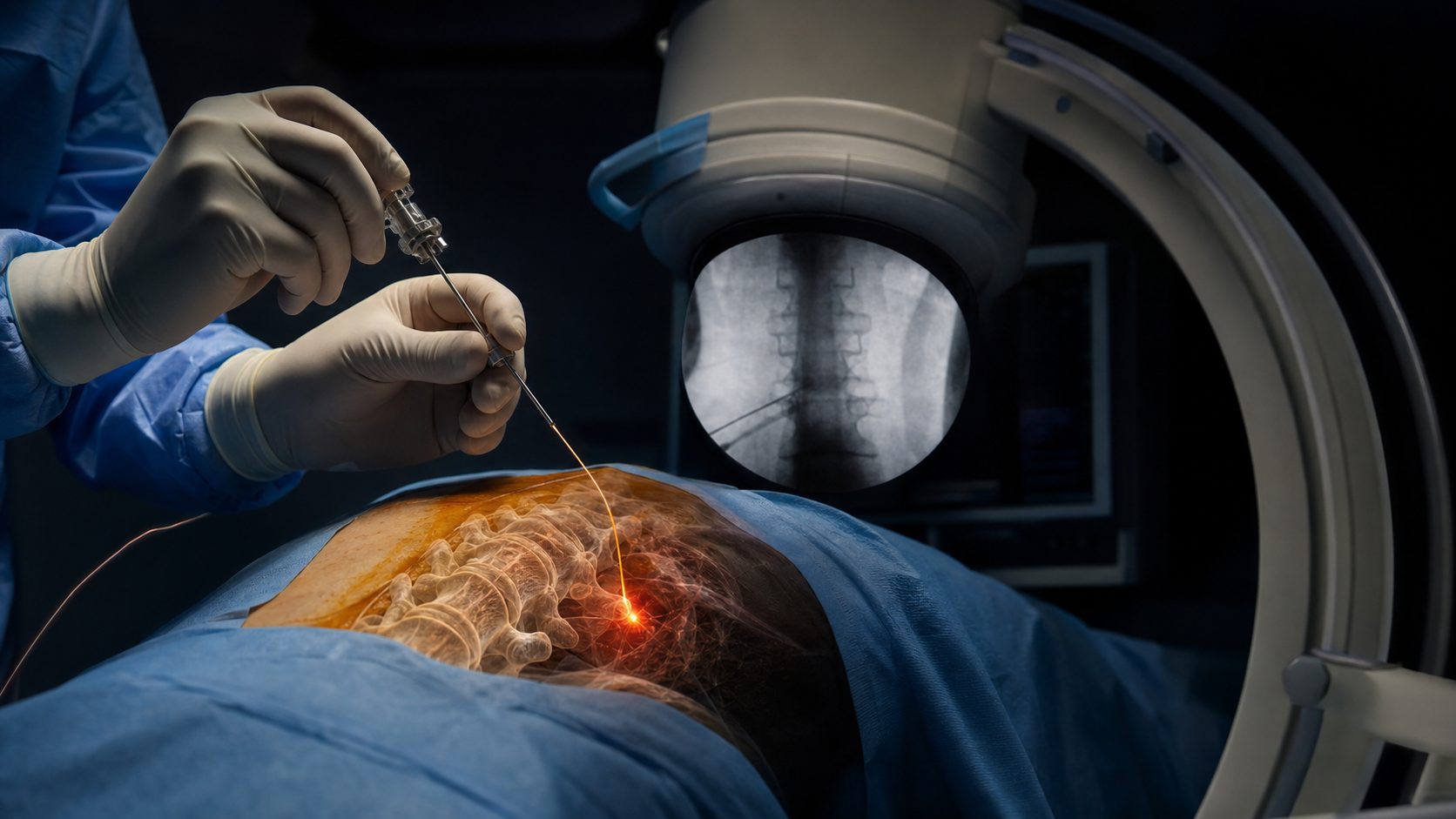
Fractional Laser for Spinal Discs: What the Evidence Actually Shows
Intradiscal Regenalase laser energy for degenerative disc disease is biologically intriguing — and the Baskov long-term series suggests a signal. Here’s what FDA clearance K233344 actually covers, what the data shows and doesn’t, and how we think about candidacy.

Stem Cell Banking with Forever Labs: A Physician’s Evidence-Graded Take
Banking your own mesenchymal stem cells today, in case the science matures, sounds intuitive. The decision is more nuanced. Here’s what the evidence supports, what it doesn’t, and what to ask before you write the check.

EV-Enhanced PRP: Promise, Limits, and Why the Distinction from “Exosomes” Matters
Autologous extracellular vesicles are being marketed as the next step beyond PRP. Here’s an evidence-graded read on what’s biologically real, what’s still preclinical, and what the FDA has actually said about unapproved exosome products.

MFAT for Knee and Joint Pain: What the Evidence Actually Shows
Micro-fragmented adipose tissue is one of the most discussed orthobiologics of the past five years. Here’s an honest read on what’s proven, what’s emerging, and where it might fit in your treatment plan.

How to Choose a Longevity Doctor: Red Flags, Green Flags, and What to Ask
Hundreds of “longevity clinics” have opened in the U.S. — from rigorously evidence-based practices to wellness spas charging $15,000 a year for unproven protocols. A board-certified physician’s insider guide to telling them apart.

Therapeutic Plasma Exchange: The Most Underrated Longevity Intervention?
FDA-approved since the 1970s. Stanford’s 2020 mouse-equivalent study extended median lifespan ~54%. Human trials show measurable cognitive and biological-age changes. Here’s what TPE really does — and what it doesn’t.

Environmental Toxins, Heavy Metals, and Microplastics: The Invisible Threat to Your Longevity
PFAS are found in 98% of Americans. Microplastics are now in human blood, placentas, and brains. Heavy metals raise cardiovascular risk in 33% of U.S. adults. Here’s what the evidence says — and what to do about it.

GLP-1 Medications and Longevity: Beyond Weight Loss
The SELECT trial showed a 20% drop in cardiovascular events. The FLOW trial cut kidney failure by 24%. Emerging data hints at Alzheimer’s and Parkinson’s benefit. Here’s what GLP-1 medications are really doing.

Metabolomics and Proteomics: The Blood Tests of the Future
A single blood draw can now measure 3,000 proteins and 1,000 metabolites — revealing organ-specific biological age, cancer risk, and metabolic dysfunction years before standard labs catch up. Here’s the evidence.

Digital Twins in Medicine: How AI Is Personalizing Your Health Plan
The FDA has cleared the first cardiovascular digital twin. Twin Health has reversed type 2 diabetes in 65% of users. Here’s what digital twin medicine really is — and what it isn’t.
Cell-Free DNA Cancer Screening: Early Detection Before Symptoms
70% of cancer deaths come from cancers with no standard screening test. The PATHFINDER 2 trial showed Galleri detected cancer 7x more often than standard screening alone — here’s what the evidence really means.
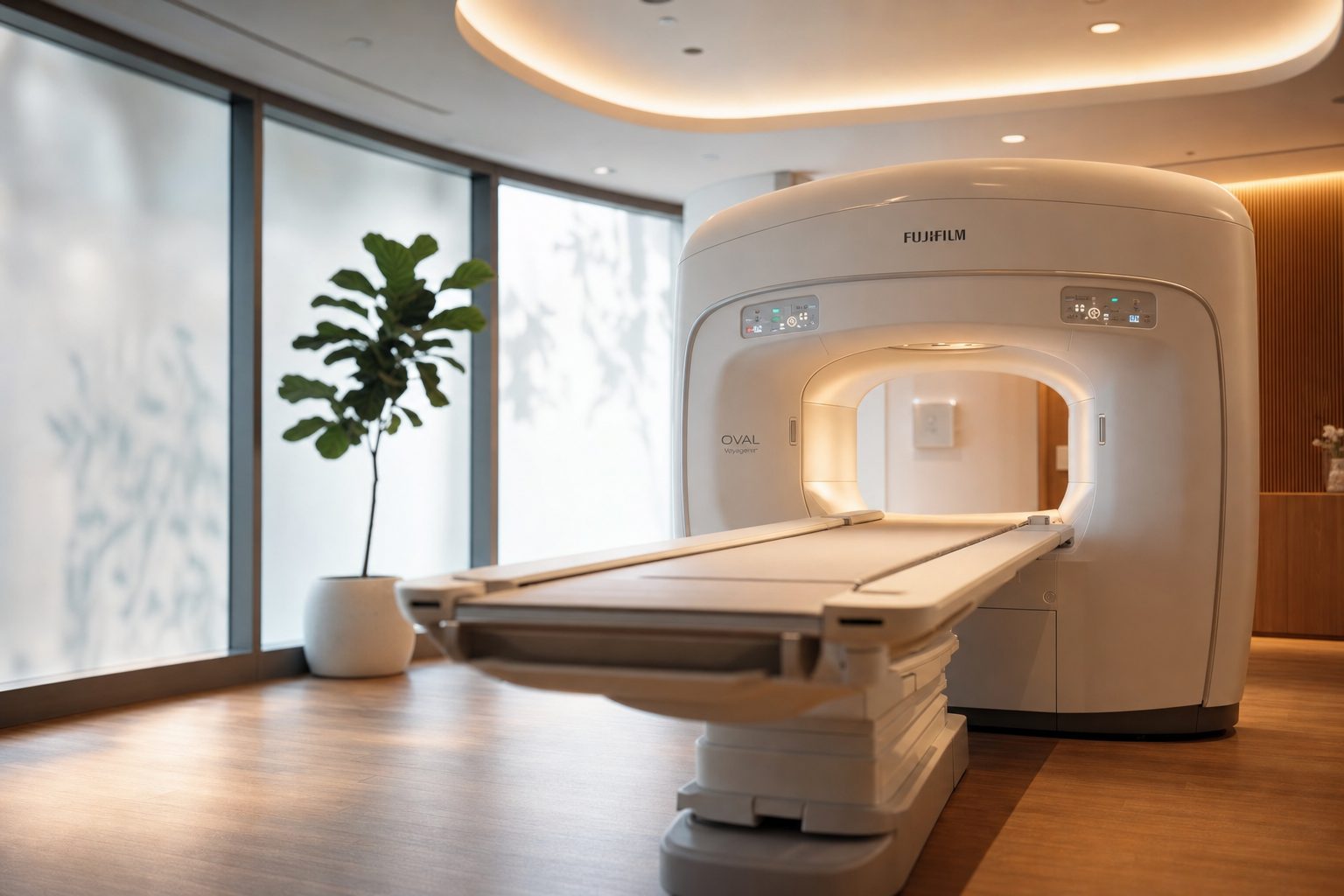
Full-Body MRI Screening: Is It Worth $2,500 to Know Everything?
95% of asymptomatic adults have at least one abnormal finding on whole-body MRI — but 91% are not clinically relevant. The evidence behind the $2,499 scan, and how to decide if it’s right for you.

Pharmacogenomics: Why the Same Medication Works Differently in Different People
Over 60% of adults have non-normal metabolism for common medications. Three genes drive 75% of preventable drug reactions. Why your dose should be calibrated to your genome — not your weight.

Tendon and Ligament Injuries: Why They Don’t Heal Well (and What Regenerative Medicine Can Do About It)
Avascular tissue, Type III scar collagen, and the chronic-degeneration problem. The biology behind why tendons don’t heal — and where PRP, ESWT, and proper loading actually move the needle.

The Truth About Exosome Therapy: What’s Real, What’s Marketing, and What the FDA Says
Zero FDA-approved exosome products. Warning letters escalating. The 351 vs. 361 distinction every patient should understand before paying thousands for an unapproved injection.
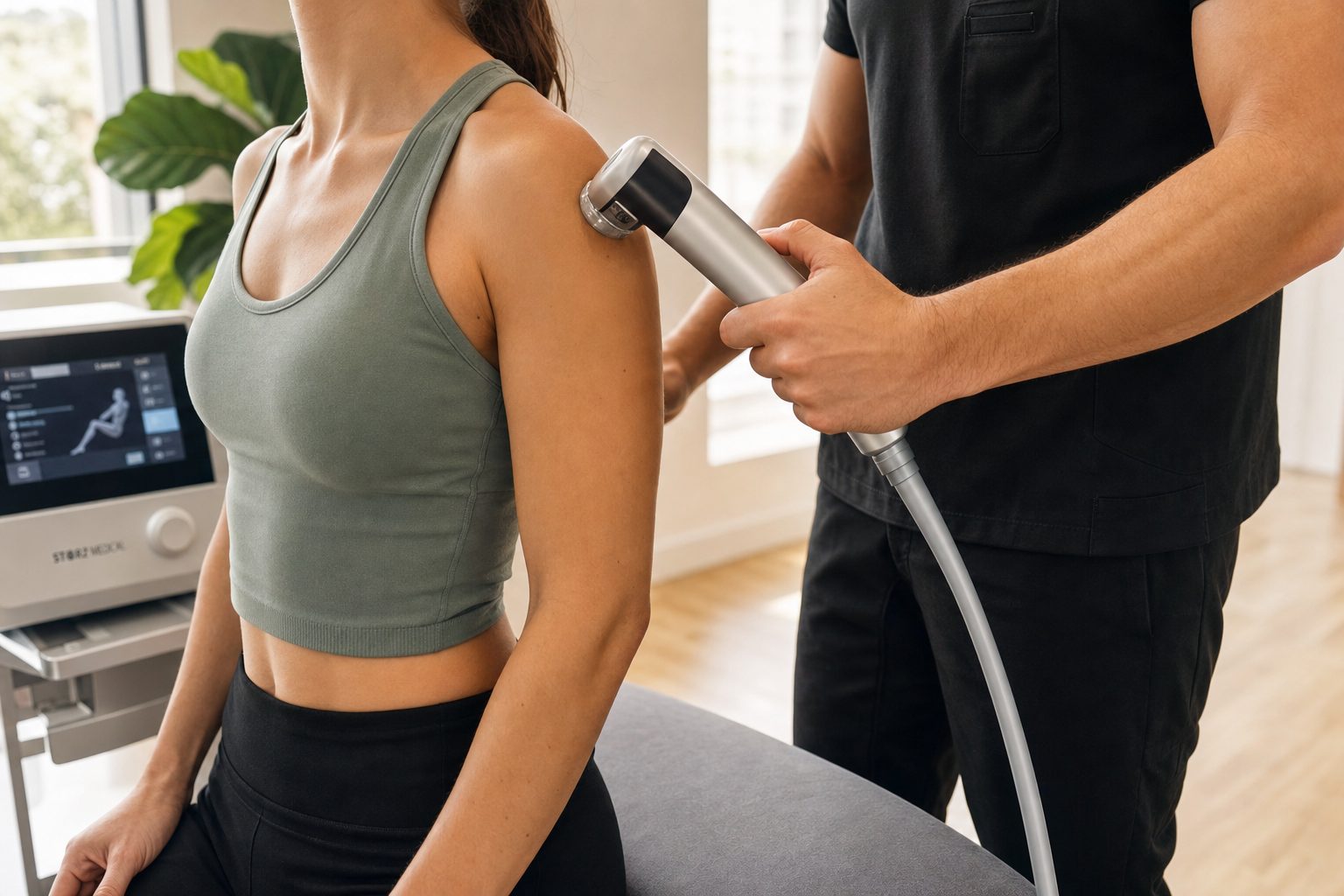
Shockwave Therapy + PRP: Why Combination Protocols Outperform Single Treatments
71% with PRP alone. 92.6% with PRP plus shockwave — and five weeks faster. The mechanotransduction biology behind why combination protocols beat single treatments for chronic tendon pain.

Regenerative Medicine for Spine Pain: Can Intradiscal PRP and BMAC Help You Avoid Spinal Fusion?
Before you consent to fusion, your biology deserves a seat at the table. The Pettine BMAC data, the cellular potency threshold, and how Pravida decides who’s actually a candidate.

BMAC for Knee Arthritis: What 10 Years of Evidence Actually Shows
20% TKA rate at 15 years with subchondral BMAC vs. 42% with intra-articular. The MILES trial in honest detail, the cell-count threshold, and who’s actually a candidate.

The Microbiome-Longevity Connection: What Your Gut Is Telling You About How You’ll Age
Centenarians share one trait that almost no doctor measures: a youthful gut microbiome. The evidence on inflammaging, the gut-brain axis, and what to do about it.

Hormone Optimization for Women: Beyond “It’s Just Perimenopause”
Perimenopause drives measurable changes in bone density, cardiovascular risk, and cognition. The 2024–2026 evidence on HRT timing, transdermal estradiol, micronized progesterone, and the testosterone gap.

Hormone Optimization for Men Over 40: What the Evidence Actually Supports
Testosterone declines 1–2% per year after 40 — free testosterone faster. The TRAVERSE trial, SHBG, DHEA-S, and what to actually measure beyond a single total testosterone number.
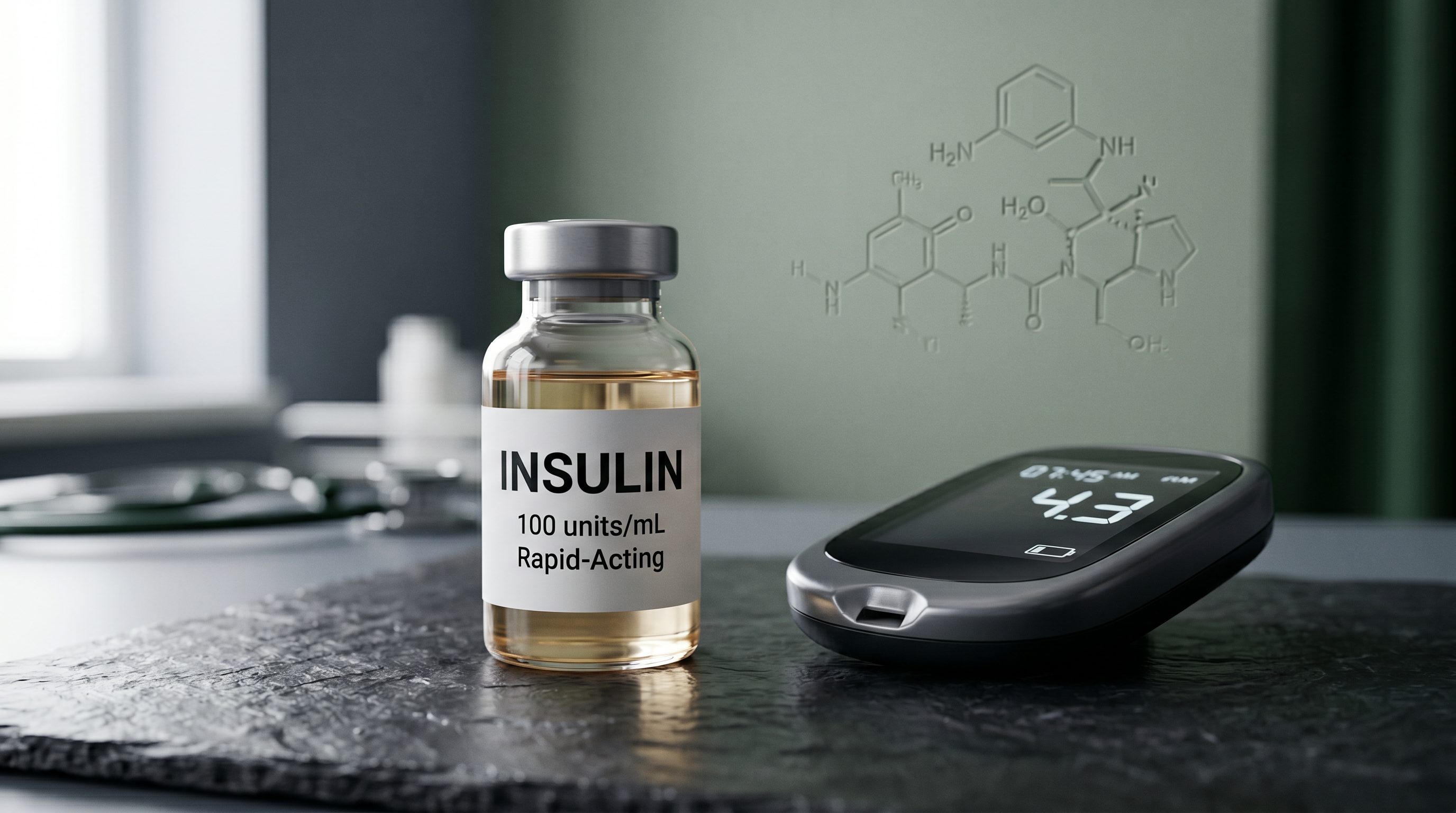
Fasting Insulin: The Most Important Blood Test You’ve Never Had
Fasting insulin and HOMA-IR detect insulin resistance 10–15 years before fasting glucose or A1c rise. Why standard panels skip this $35 test — and what your result actually means.
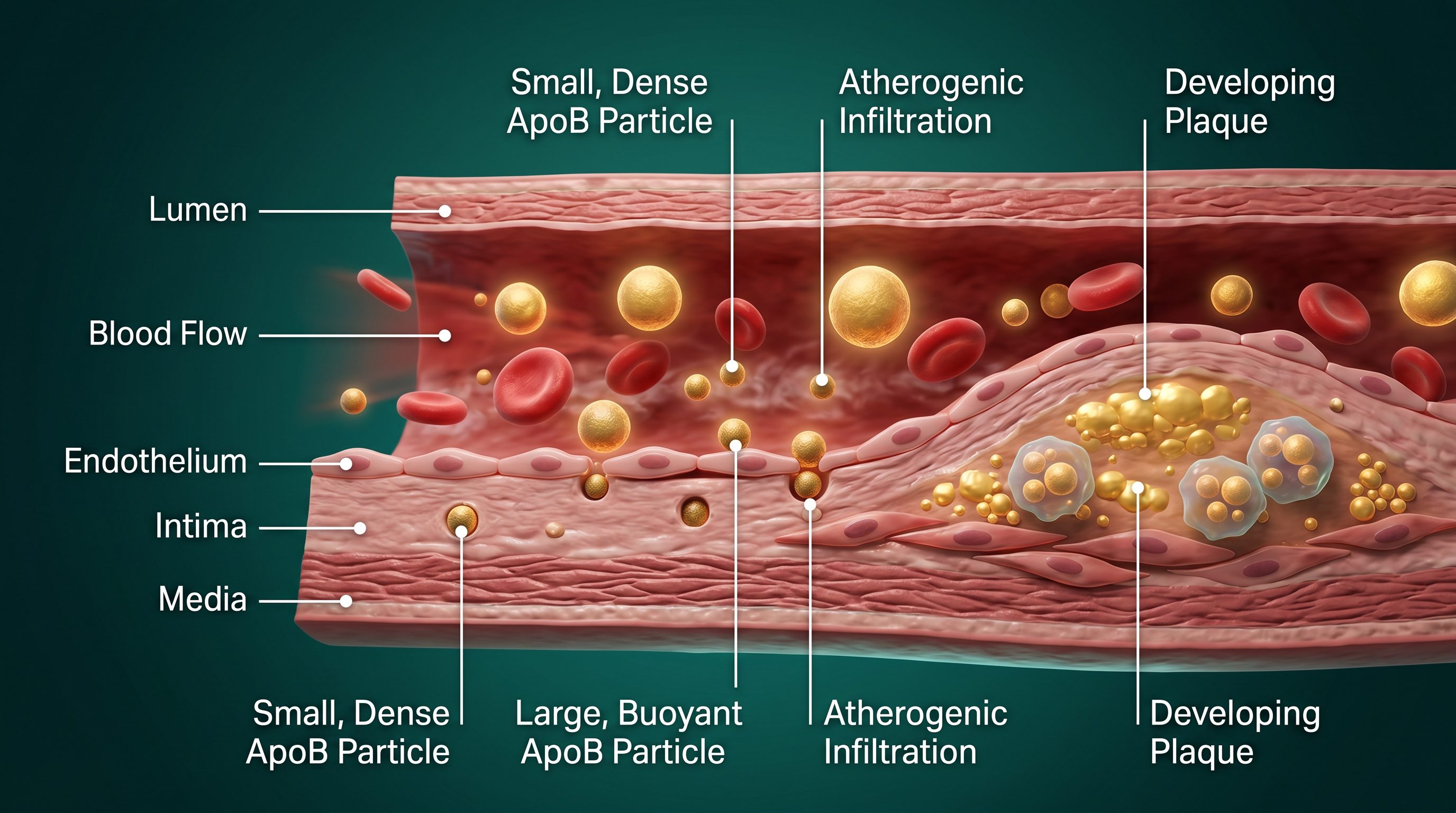
ApoB, Lp(a), and the Lipid Panel Your Cardiologist Should Be Ordering
ApoB outperforms LDL-C in 9 of 9 cardiovascular risk studies. Lp(a) affects 64 million Americans. The 2026 ACC/AHA guidelines now formally endorse both tests.
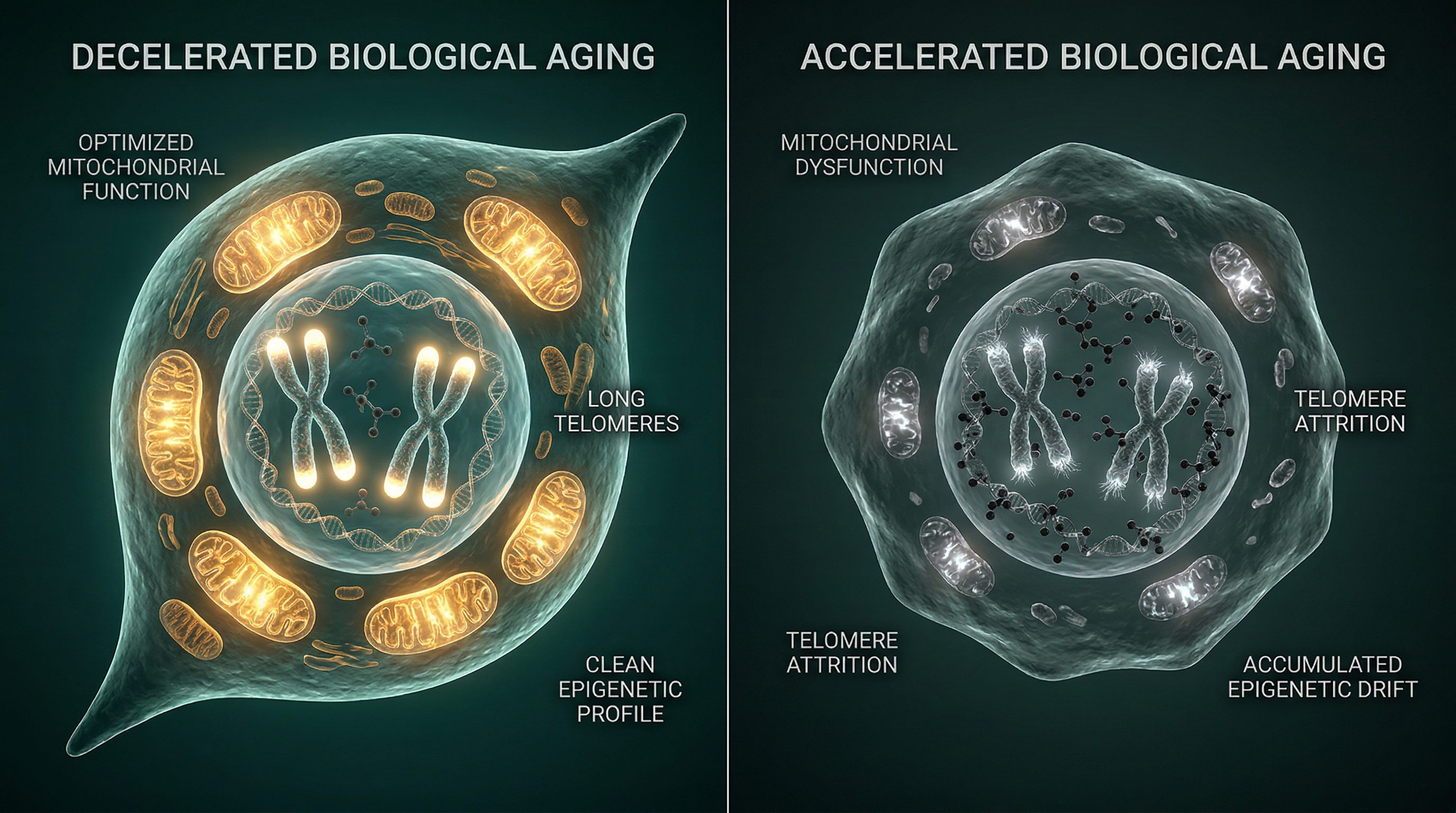
Biological Age vs. Chronological Age: How to Measure How Fast You're Actually Aging
GrimAge and DunedinPACE epigenetic clocks predict mortality more accurately than any standard lab test. Here’s what the 2024–2026 research shows about measuring and modifying your biological age.

CGM for Non-Diabetics: What a Month of Continuous Glucose Monitor Data Reveals
Your fasting glucose is normal. Your A1c is excellent. But CGM data reveals glycemic patterns that standard labs completely miss — and what they mean for longevity.
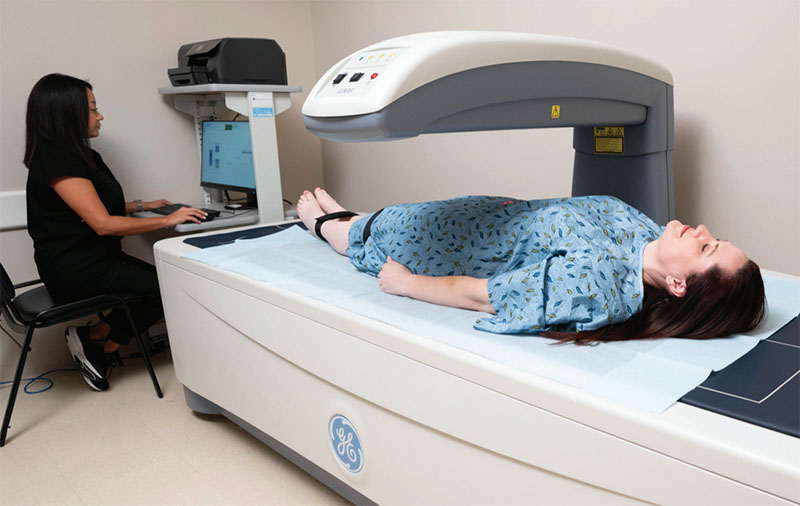
DEXA Scan Body Composition: Why Your Scale Is Lying to You
Your BMI can't see visceral fat or muscle loss. DEXA reveals the metabolic truth your weight hides — and why it's the body composition standard that matters.
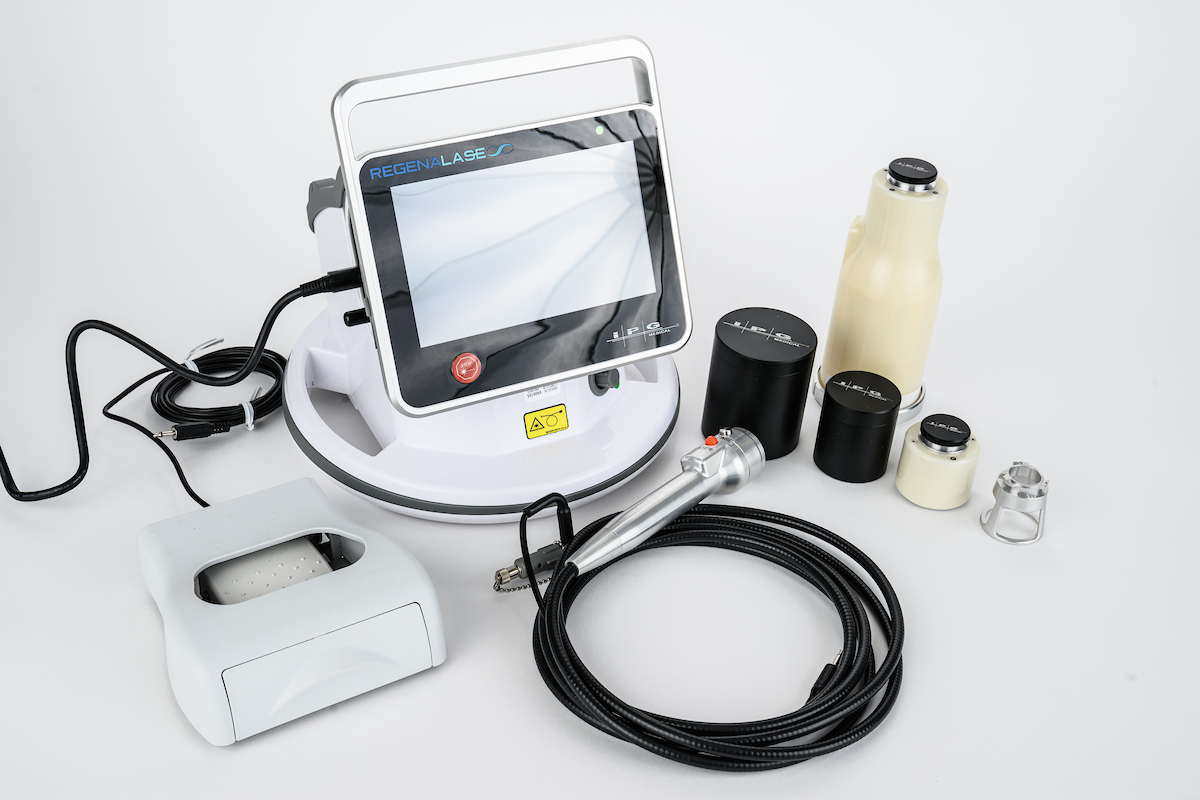
The Science Behind CartiNova: How Fractional Laser Meets Regenerative Biology
An in-depth look at the innovative combination of Regenelease laser technology and biologics that makes non-surgical cartilage restoration possible.

Your Genome Is a Roadmap: How Genomics-Guided Medicine Changes Everything
Understanding how whole genome sequencing and AI analysis can predict health risks decades before symptoms appear.
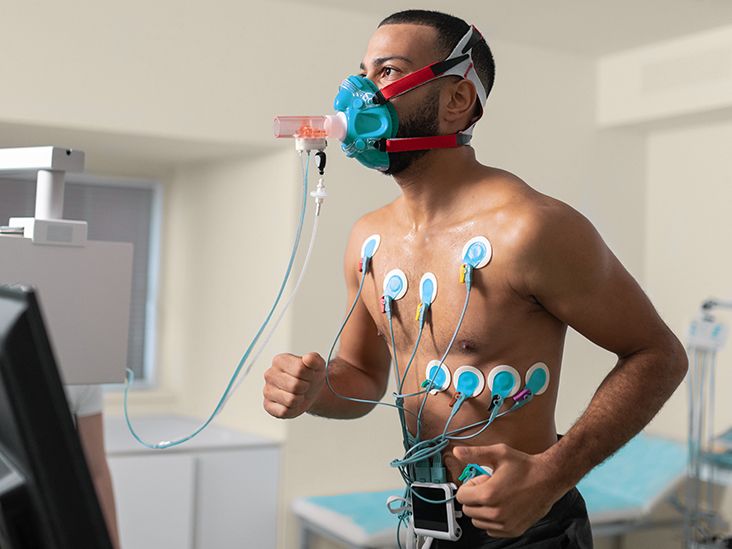
VO2 Max Testing: Why This Single Number May Be the Best Predictor of How Long You'll Live
The largest study ever on fitness and mortality found low VO2 max is a stronger predictor of death than smoking, diabetes, or heart disease.
What Your Blood Work Isn't Telling You: Why Standard Lab Panels Miss 80% of the Picture
Your annual physical checks 20 markers. Comprehensive testing checks hundreds. Here's what the gap means for your health — and why it matters.
The 12 Hallmarks of Aging: What They Mean for Your Health Strategy
A comprehensive guide to the biological mechanisms of aging and how our Signature membership addresses each one.
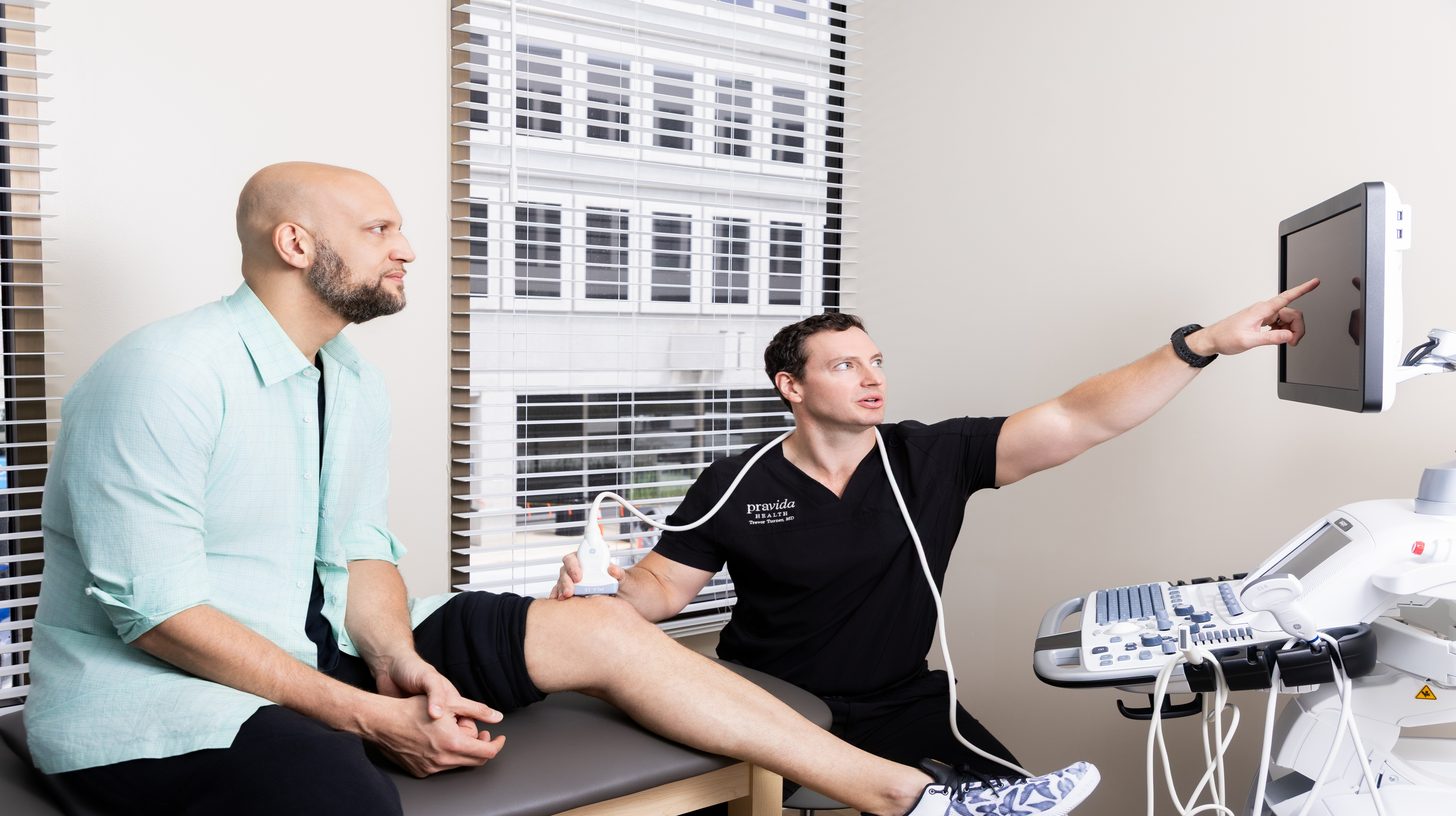
PRP vs. Surgery for Joint Pain: What the Evidence Actually Says
A physician-level review of platelet-rich plasma evidence versus surgical intervention — what works, for whom, and when regenerative medicine is the right call.
More articles coming soon. Subscribe to our newsletter to be notified of new publications.